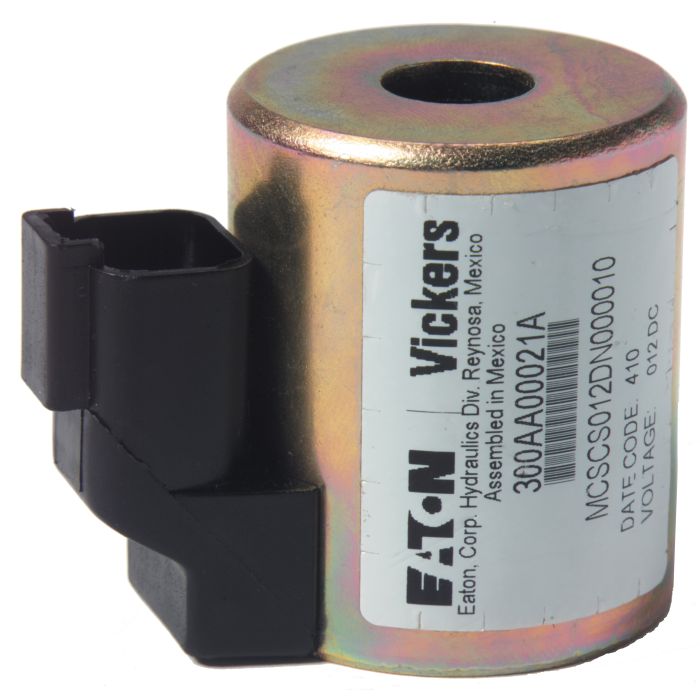
The Vickers DG4V 3 6C M U HL7 60 is an efficient directional control valve designed for demanding industrial applications. This valve boasts a flow rate of 80 liters per minute, making it suitable for use in diverse environments such as die casting, marine, and turbine control systems. Constructed with durable Buna-N seal material, it ensures reliable performance and longevity in challenging conditions.
Featuring three- or four-way directional control, the valve is easily mountable on industry-standard surfaces, providing flexibility and ease of integration into existing systems. With thousands of models available, it can be tailored to suit specific application needs, whether in machine tools, primary metal processing, or test equipment. Powered at 18 watts, this valve balances efficiency with robust functionality.
SKU: 02-109978
Supplier Part Number (MPN): 02-109978
Alternate Part Numbers: DG4V36CMUHL760
Loading related products…
Specifications
Alternate Part Numbers
Alternate Part NumberDG4V36CMUHL760, Alternate Part Number MINO-00900H72513
Application
Die casting & foundry, Machine tool, Marine/Offshore, Press, Primary metal, paper, Test equipment & simulation, Turbine control (wind, steam, water)
Brand
DANFOSS POWER SOLUTIONS II LLC (VICKERS)
Brand
Vickers
Pack Size
1.00
UOM
EA
Features
Three- or four-way directional control|Easily mountable on industry-standard surfaces|Thousands of models to suit all applications
Flow Rate1
80 litre per minute
ICC
IV Directional Control Valves
Language
English
Net Pack Quantity Units
EA
Product Width
1.80
Seal Material
Buna-N
Special Features
None
Sub Brand
Vickers
Supplier Part Number
02-109978
Wattage
18
Product Weight
4.80 lbs
Product Questions & Answers (1)
Question by: Rod S on Sep 2, 2025, 2:27 PM
flow rate on this valve -- is 80 liters per minute the max it'll handle, or is that a continuous rated number?
Answer by: Customer Support on Sep 4, 2025, 7:26 AM
80 liters per minute is the rated flow for this valve. Running a directional control valve right at its ceiling on a continuous basis puts wear on the internals faster than most folks expect, so if your system is regularly pushing close to that figure, it's worth factoring that into your maintenance intervals. For applications that cycle hard and often, staying a bit below peak flow tends to extend the life of the seals and spool considerably.