Identify the seal type by function in the cylinder, match material to fluid and temperature, and measure dimensions carefully before ordering.
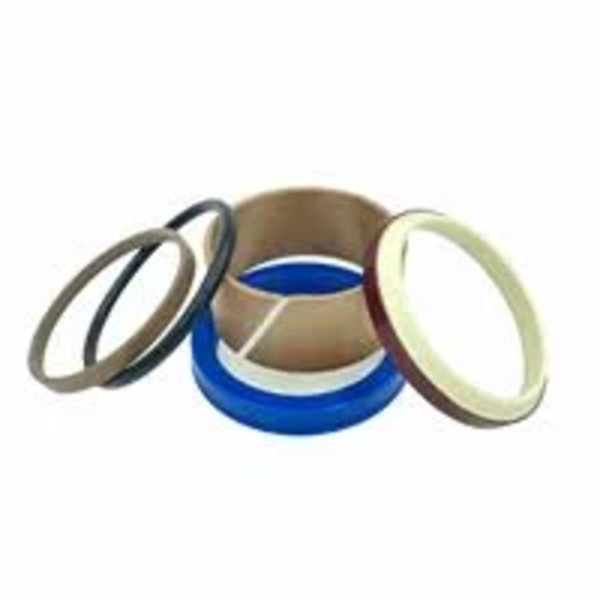
Identify the Seal Type by Function in the CylinderHydraulic cylinder seals serve distinct functions, and selecting the correct seal type for each position is the foundation of a successful rebuild. The rod seal (U-seal or lip seal) prevents fluid from escaping along the rod as it strokes. The wiper seal (scraper) removes contamination from the rod surface before it re-enters the cylinder — protecting the rod seal from abrasive particles. The piston seal (U-seal, O-ring with back-up ring, or piston cup) seals between the piston and cylinder bore to maintain pressure differential across the piston. The back-up ring prevents the O-ring from extruding into the clearance gap at high pressure. Each position requires the seal type designed for that dynamic or static loading condition — substituting seal types between positions creates premature failure.
Match Seal Material to the Hydraulic Fluid and Operating TemperatureSeal material compatibility with the hydraulic fluid and operating temperature is non-negotiable. Buna-N (nitrile) is the standard material for petroleum-based hydraulic fluids at normal operating temperatures — compatible with mineral oil, and the most common hydraulic seal material. Urethane (polyurethane) provides higher abrasion resistance and better extrusion resistance than Buna-N for rod and wiper seal applications in high-cycle, high-pressure cylinders. Viton (fluoroelastomer) is specified for fire-resistant hydraulic fluids (phosphate ester, water glycol) and high-temperature applications where Buna-N degrades. PTFE back-up rings are chemically inert and compatible with virtually all hydraulic fluids. Confirm fluid compatibility before selecting a seal material — a Buna-N seal in a phosphate ester fire-resistant fluid circuit will swell, degrade, and fail rapidly.
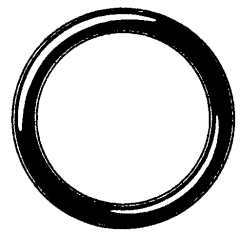
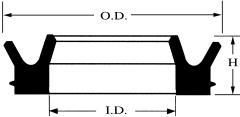
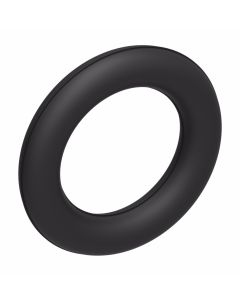
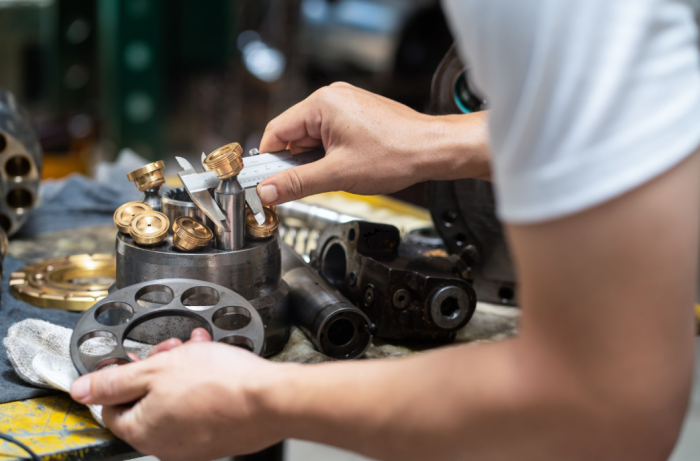
Measure Carefully — Seal Dimensions Determine Fit and PerformanceHydraulic seals are dimension-critical components. The seal must fit the groove it occupies with the correct cross-section, inside diameter, and outside diameter — too loose and the seal rolls and leaks; too tight and it distorts and tears during installation. For O-rings, identify the cross-section diameter and inside diameter. For U-seals and lip seals, identify the bore or rod diameter, the seal OD, and the seal height. When replacing a seal from a running cylinder, measure the groove dimensions as well as the existing seal — worn grooves may require a seal with different cross-section dimensions to seal correctly. If the original seal part number is available, use it; if not, bring the cylinder or the original seal to an HSC specialist for identification.
“Always great service, always seem to have what you need. It’s our go-to when we’re on a job and need any hydraulic supplies.”
Jim Denman
Harvey, LA
“Awesome company. Great experience here every time with Rene. My husband and his associates in the pool construction business won’t use anyone else for their machinery. Highly reputable service provider.”
Hydraulic failures never happen at a good time. One moment, your system is running smoothly — the next, it’s leaking fluid, overheating, or grinding to a halt. Downtime doesn’t just stall productivity;…
Hydraulic motors are critical components in fluid power systems, converting hydraulic energy into mechanical energy to drive equipment. Whether it's powering a conveyor in a factory, rotating an auger…
Choosing the Right Hydraulic Pump for Maximum Performance
Hydraulic pumps play a vital role in hydraulic systems by converting mechanical energy into hydraulic power. They are responsible for moving fluid…
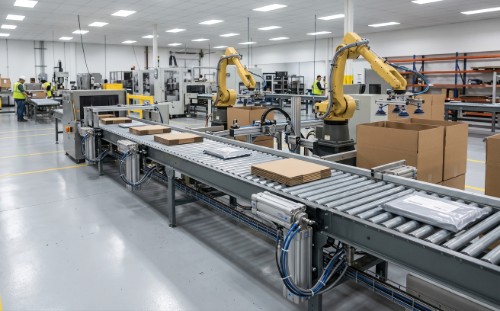
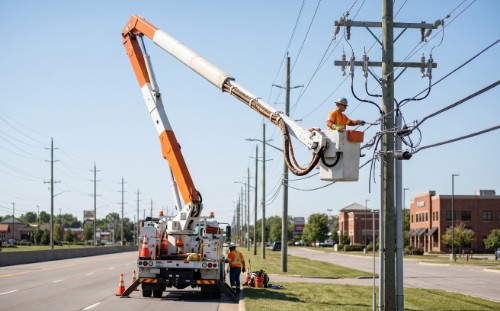
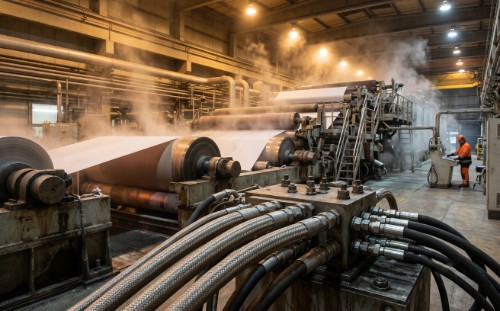
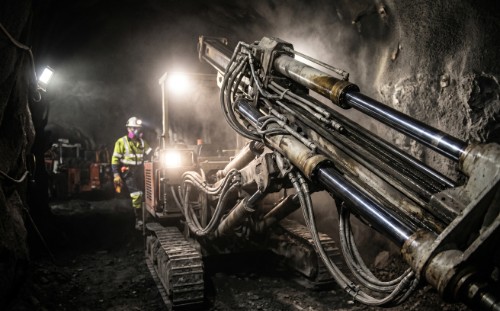
HSC works with industries that depend on reliable hydraulic and pneumatic systems, providing access to in-stock components, service capabilities, and knowledgeable support across diverse applications.
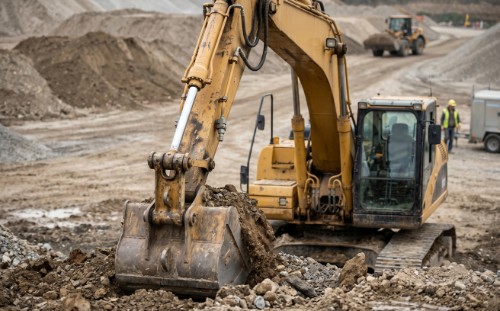
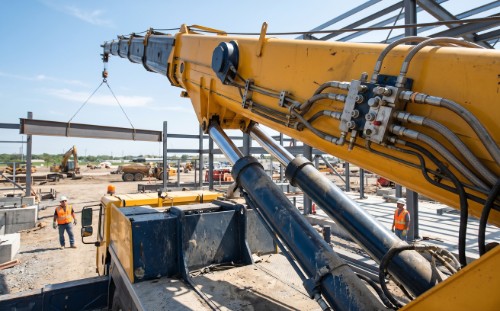
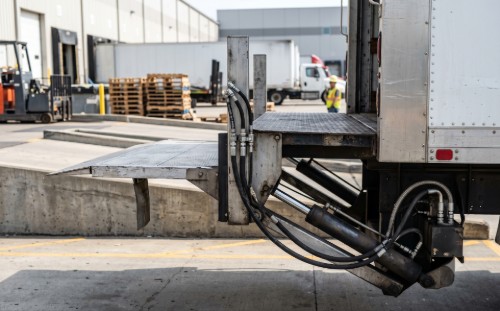
Hydraulic seals are wear components that degrade predictably with every stroke and pressure cycle — and maintaining correct seal specifications is essential to cylinder performance. In construction equipment, failed cylinder seals cause fluid bypass past the piston and rod leakage. In industrial manufacturing, seal kit availability determines how quickly a cylinder is rebuilt and returned to service. HSC stocks seals, O-rings, and rebuild kits for major hydraulic cylinder, pump, and valve brands.
Hydraulic Seal Components Matter
A hydraulic seal is the barrier between high-pressure fluid inside the cylinder and the equipment and operator outside it. A seal that fails to hold rated pressure allows fluid bypass past the piston, rod leakage past the wiper, and uncontrolled actuator drift — consequences ranging from productivity loss to safety risk. HSC stocks urethane, Viton, and Buna-N seals, O-rings, and rebuild kits with same-day availability for major hydraulic cylinder and pump brands.
Frequently Asked Questions
How do I identify the correct replacement hydraulic seal for my cylinder?
The most reliable method is the OEM part number from the cylinder manufacturer’s service manual or parts catalog — Hercules and other seal manufacturers publish cross-references from OEM part numbers to their replacement seals. If the part number is unavailable, measure the cylinder bore diameter (or rod diameter for rod seals), the seal groove width and depth, and the existing seal cross-section and height. Bring these measurements and the original seal (if intact) to an HSC specialist — in most cases, the correct replacement can be identified from dimensions alone.
What is the difference between a U-seal and an O-ring with back-up ring for cylinder sealing?
A U-seal (lip seal) is a single-piece seal with a U-shaped cross-section that seals dynamically — the lips flex against the bore or rod surface and self-energize under system pressure, maintaining contact as the seal wears. An O-ring provides static or low-dynamic sealing; in dynamic cylinder applications at higher pressures, O-rings are used with Teflon or urethane back-up rings that prevent the O-ring from extruding into the rod-to-bore clearance gap under pressure. U-seals are generally preferred for the primary rod and piston sealing positions in hydraulic cylinders at moderate to high pressures; O-ring and back-up ring sets are common in lower-pressure dynamic applications and in many valve and fitting static seal positions.
What causes a hydraulic cylinder to develop an external rod seal leak?
The most common causes are: seal wear from high cycle count (normal service life); rod surface damage — scratches, chrome flaking, or corrosion pits that create leak paths through the seal contact zone; seal hardening from fluid incompatibility or heat exposure, which causes the lip to lose flexibility and contact force; and wiper seal failure that allows abrasive contamination to reach and damage the rod seal. If the rod surface is damaged, replacing the seal alone will not solve the leak — the rod must be repaired or replaced before the new seal will perform correctly.
When should I use Viton O-rings instead of Buna-N?
Viton (FKM) O-rings are required when the hydraulic fluid is a fire-resistant type — phosphate ester (Skydrol, Fyrquel), water glycol, or high-water-base fluid — where Buna-N is not compatible and will swell or degrade rapidly. Viton is also specified in high-temperature applications (above approximately 250°F continuous) where Buna-N’s heat resistance is exceeded. For petroleum-based hydraulic oils at normal operating temperatures, Buna-N is the standard and correct choice — Viton provides no performance advantage in petroleum fluid service and costs significantly more.
Does HSC stock hydraulic seals and cylinder kits for same-day pickup or shipping?
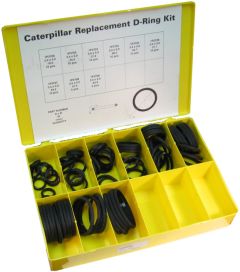
HSC maintains in-stock hydraulic seals — including Buna-N and Viton O-rings, urethane U-seals and wiper rings, back-up rings, piston cups, and cast iron piston rings — in both inch and metric dimensions, along with Hercules cylinder rebuild kits and O-ring assortment kits. Same-day shipping is available on orders placed before 2pm EST, and with 40+ branch locations throughout the Southeast, there is likely an HSC store near you with the seals you need already on the shelf.