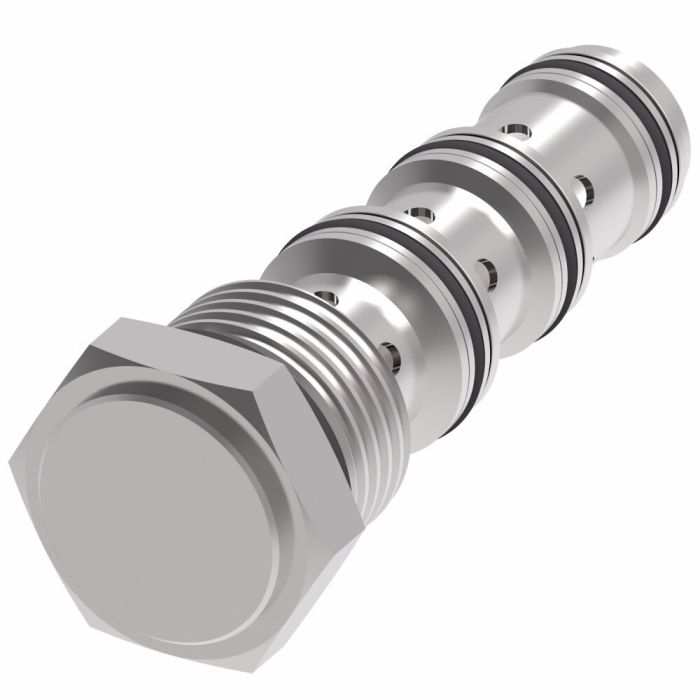
The Vickers FDC1 16 0 62 flow control valve, part of the Vickers by Danfoss / Eaton FDC1-16 Series, offers a reliable, economical, and compact solution for pressure and flow control. This spool-style valve is designed for a wide range of applications, including mobile and industrial uses, as well as in harvesters and refuse haulers.
This valve provides a perfect balance of pressure and flow, capable of handling flow rates up to 178 liters per minute and pressures up to 350 bar (5000 psi). With a width of 1.5 inches, this Vickers valve offers high performance in a compact package.
SKU: 02-163373
Supplier Part Number (MPN): 02-163373
Loading related products…
Specifications
Alternate Part Numbers
Alternate Part NumberMINO-00900X07937
Application
Harvesters, refuse haulers, mobile and industrial applications
Brand
Danfoss – Hydraulics
Brand
Vickers
Pack Size
1.00
UOM
EA
Features
350 bar (5000 psi) & 350 L/min (92 USgpm)|Perfect balance of pressure and flow|Reliable, economical and compact
Flow Rate1
178 litre per minute
ICC
SICV Flow Control Valves
Language
English
Net Pack Quantity Units
EA
Product Width
1.50
Style
Spool
Sub Brand
Vickers
Supplier Part Number
02-163373
Product Weight
0.78 lbs
Product Questions & Answers (2)
Question by: Rex A on Apr 14, 2025, 8:24 PM
Can this handle hydraulic systems on big refuse trucks, the kind that really pack trash tight?
Answer by: Customer Support on Apr 16, 2025, 6:16 AM
Yes, this Vickers flow control valve is suitable for refuse haulers, along with other mobile and industrial applications.
Question by: Ralph B on Mar 16, 2026, 7:37 AM
Running a refuse hauler and need a flow control that can keep up with high-demand cycles. This the right kind of valve for that sort of work?
Answer by: Customer Support on Mar 17, 2026, 11:16 AM
Refuse hauler applications are actually one of the intended uses for this valve, so it fits right in that category. It handles flow up to 178 liters per minute and can take pressures up to 350 bar, which is 5000 psi. The spool-style design keeps things balanced between pressure and flow, so it holds up in the kind of repetitive, high-demand conditions that come with that work.