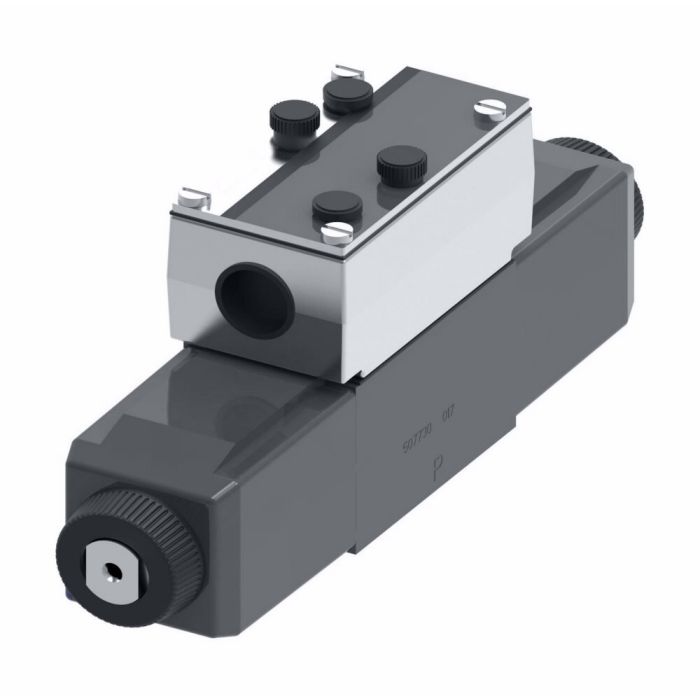
Vickers directional control valves are essential components in hydraulic systems, designed to manage the flow of hydraulic fluid with precision and reliability. The VICKERS-DG4V-3S-2N-M-FPBW-B5-60-EN466 model is particularly suited for demanding applications such as die casting, foundry use, and machine tools. With a flow rate of 40 liters per minute, this valve ensures efficient performance in marine, offshore, and primary metal industries.
Constructed with a Buna-N seal material, the valve guarantees durability and resistance to wear. It features a top-side plug-in connector, enhancing ease of installation and maintenance. With a wattage of 30, the valve supports energy-efficient use. This model is also compatible with turbine control systems, including wind, steam, and water turbines, making it a versatile choice for various industrial settings.
SKU: 02-309833
Supplier Part Number (MPN): 02-309833
Loading related products…
Specifications
Alternate Part Numbers
Alternate Part NumberMINO-00900H43450
Application
Die casting & foundry, Machine tool, Marine/Offshore, Press, Primary metal, paper, Test equipment & simulation, Turbine control (wind, steam, water)
Brand
Danfoss (Power Solutions II LLC)
Brand
Vickers
Pack Size
1.00
UOM
EA
Flow Rate1
40 litre per minute
ICC
IV Directional Control Valves
Language
English
Net Pack Quantity Units
EA
Product Width
1.88
Seal Material
Buna-N
Special Features
DG4V-3-S-2A-M-FPBW-B5-60-EN466 DOUBLE A VALVES WITH TOP SIDE PLUG-IN CONNECTOR (WITH &W/O LIGHTS(REF QG-3-C-10-D1-TSP(L))) NEW NAMEPLATE E-02-309826 JOHNSON CONTROLS
Supplier Part Number
02-309833
Wattage
30
Product Weight
4.40 lbs
Product Questions & Answers (1)
Question by: Peggy H on Feb 2, 2026, 9:18 AM
Flow rate on this one says 40 liters per minute, that enough for a press or die casting setup runnin pretty hard?
Answer by: Customer Support on Feb 3, 2026, 4:01 PM
For die casting and press applications, 40 liters per minute is right in the working range this valve was built for. Both those environments are listed applications, so you're not pushing it into territory it wasn't meant to handle. Just make sure your system demand at peak cycle stays within that flow ceiling and you'll be in good shape.