
-
All Products
- Hydraulic Power Systems & Components
- Hydraulic Pumps & Accessories
- Hydraulic Motors & Accessories
- Hydrostatic Transmissions
- Cylinders & Accessories
- Steering Units & Accessories
- Hydraulic Valves & Accessories
- Ball Valves
- Check Valves
- Check Valves (Pilot-Operated)
- Counterbalance Valves (Overcenter Valves)
- Cushion Valves (Double Relief Valves)
- Directional Control Valves
- Flow Control Valves
- Flow Divider Valves
- Gate Valves
- Shop Logic Element Valves
- Needle Valves
- Plug Valves
- Pressure Reducing Valves
- Relief Valves
- Shop Sandwich Valves
- Premium Selector Valves
- Hydraulic Filters & Accessories
- Power Units
- System Accessories
- High Force Hydraulics
- Hydraulic Pumps & Accessories
- Pneumatic Power & Control
- Fluid Conveying
- Hose Products
- Tubing Products
- Piping Products
- Adapters
- Steel
- O-Ring Face Seal Braze Adapters
- O-Ring Face Seal To Straight Thread O-Ring
- O-Ring Face Seal To Pipe
- O-Ring Face Seal To 37° Flare
- O-Ring Face Seal To O-Ring Face Seal
- O-Ring Face Seal Accessories
- Pipe To Pipe
- Pipe to 37° Flare
- Pipe To Straight Thread O-Ring
- Pipe To Hose
- 37° Flare Union
- Straight Thread O-Ring to 37° Flare
- Straight Thread O-Ring to Straight Thread O-Ring
- Straight Thread O-Ring to Hose
- SAE Split Flange To 37° Flare
- SAE Split Flange To O-Ring Face Seal
- Braze & Weld to 37° Flare
- 42° Inverted Flare to 37° Flare
- Restrictor
- Metric to 37° Flare
- Metric to Pipe
- Metric
- BSPP to 37° Flare
- BSPP to Pipe
- BSPP to Metric
- BSPP to BSPT
- BSPP
- BSPT To Pipe
- BSPT To 37° Flare
- JIS
- JIS 30° Seat (BSPP Thread) To 37° Flare
- Komatsu, Kobelco
- Stainless Steel
- Brass
- Steel
- Hydraulic Quick Disconnects
- Miscellaneous Fluid Conveying Parts
- Performance Parts
- Hose
- Adapters
- Brake System Adapters
- Fuel System Components
- Couplings
- PRO CLAMP and Overbraid
- Accessories
- Reusable Fittings for AQP & Starlite Racing Hose
- Crimp Fittings for AQP & Starlite Racing Hose
- Fittings for AQP Socketless Hose
- Reusable Fittings for Aeroquip FBF A/C Hose
- Fittings for Teflon Racing Hose
- Reusable Fittings for AQP High Pressure Hose
- Assembly Equipment
- Hose Products
- Other Products
- Seals
- Control Cables
- Thread Sealants
- Gloves
- Hand Tools
- Pressure Washer Products for Industrial & Commercial Use
- Hose Reels
- Winches
- Peel Press Drive
- Hydraulic Fluids & Oils for Industrial Systems
- Industrial Chemical Maintenance Products
- Lubrication Equipment & Accessories
- Cable Hardware & Knobs
- Cable Remote Controls
- Industrial Corrosion Inhibitors
- Y Strainer
- Hydraulic Power Systems & Components
-
Services
- 24/7 On-Site Mobile Services
- Control Cable Assemblies
- Crimper Maintenance Program
- Custom Hydraulic Components Fabrication
- Cut & Weld
- Danfoss x20 Stock Change Program
- Engineering Center Services
- Hose Kitting Services
- HPU Build Program
- Hydraulic & Industrial Hose Assemblies
- Hydraulic Repair & Service
- Tube Bending Services
- Vane Pump Build Program
- Other Programs Available
- View All Services
- Branch Locations
- Catalogs
- Help
- Quick Order
SAME DAY SHIPPING
— Order by 2pm EST.
Miscellaneous Fluid Conveying Parts

HSC stocks the complete range of miscellaneous fluid conveying hardware — SAE Code 61 and 62 flanges, balanced-pressure swivel joints, pipe and tube clamps, protective caps, and thread sealants to finish and protect any hydraulic installation. Same-day shipping, 40+ locations.
Miscellaneous Fluid Conveying Parts by Category
My Wish List
Last Added Items

You have no items in your wish list.
Quick Add Product
Account Summary
Short Code:
Credit Limit:
Current Balance:
How to Choose the Right Miscellaneous Fluid Conveying Part
Match flange code to system pressure, support every span, and cap every port the moment it’s opened.
-
Select SAE Flange Code Based on System Pressure SAE J518 Code 61 flanges are rated for pressures up to 3,000–5,000 PSI depending on port size — the standard for most mobile and industrial hydraulic pump and motor connections. Code 62 flanges are the high-pressure version, rated for up to 6,000 PSI at equivalent port sizes — specified for high-pressure hydraulic circuits and applications where Code 61’s pressure limit would be exceeded. The two codes are not interchangeable — Code 62 hardware has a different bolt circle and body geometry than Code 61. Identify the pressure rating of the circuit before selecting a flange code.
-
Install Support Clamps at Every Unsupported Hose and Tube Span Hydraulic hose and tube runs that are not properly supported against their own weight and system vibration develop fatigue failures at fitting connections — the highest-stress point in any hose assembly. Support clamp spacing should follow the tube or hose manufacturer’s recommendation for the OD and application, with clamps placed within one clamp-width of every fitting or adapter. Weld-plate mounted clamps provide the most rigid support for tube runs in fixed equipment; rail-mount clamps allow adjustment during installation on mobile equipment and later repositioning during system modifications.
-
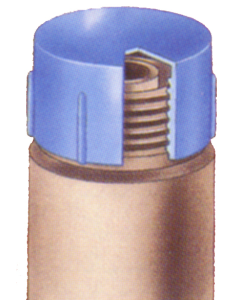
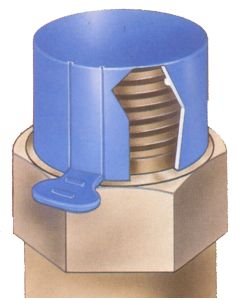
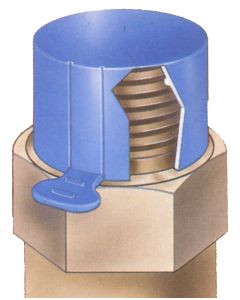
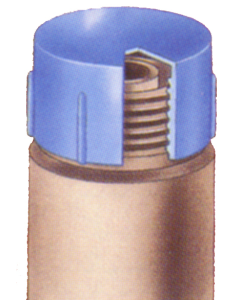
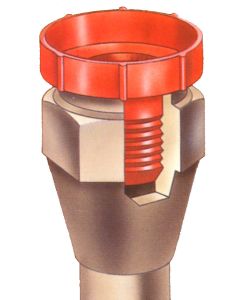
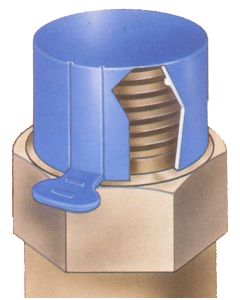
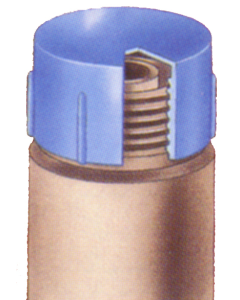
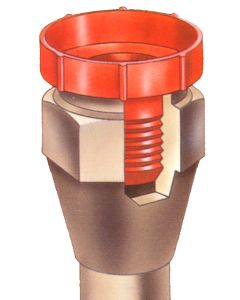
Use Protective Closures Immediately on Any Open Port or Fitting Every unprotected hydraulic port is an open path for contamination — and contamination is the primary cause of hydraulic component wear and premature failure. Protective caps and plugs for JIC fittings, ORFS ports, split flanges, and pipe threads should be installed immediately when a fitting is removed or a new component is unpackaged — and removed only at the moment the connection is made. Leaving ports open during installation, even briefly, introduces contamination that works its way into valves and cylinders over thousands of operating cycles.
Featured In-Stock Fluid Conveying Accessories
Best-sellers ready for immediate shipment.
What Our Customers Say
Trusted by 50,000+ industrial clients.
“Hoses made to spec and quick in and out — thirty minutes, clean location and organized. Thanks!!”
Craig Clary
Theodore, AL
“20,000 parts in inventory! Say what! Nobody even close in Florida to the kind of inventory and service. Hose assemblies in 15 minutes while you wait.”
Tim K.
Florida City, FL
“Excellent work and staff.”
Memo Garcia
Tampa, FL
Technical Resources & Articles
Expert insights, maintenance tips, and industry news for fluid conveying accessories.
Industry Solutions
HSC works with industries that depend on reliable hydraulic and pneumatic systems, providing access to in-stock components, service capabilities, and knowledgeable support across diverse applications.
View All Industries
Construction & Earthmoving
Heavy-duty hoses and cylinders built to withstand extreme conditions and vibration.
Learn more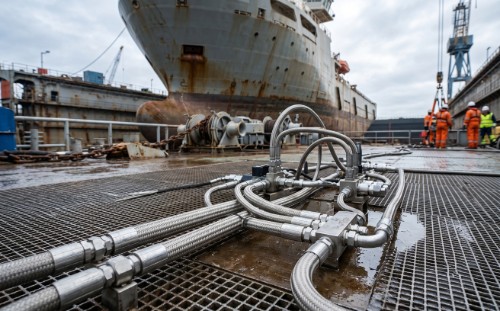
Marine & Offshore
Corrosion-resistant stainless steel fittings and certified assemblies for marine environments.
Learn more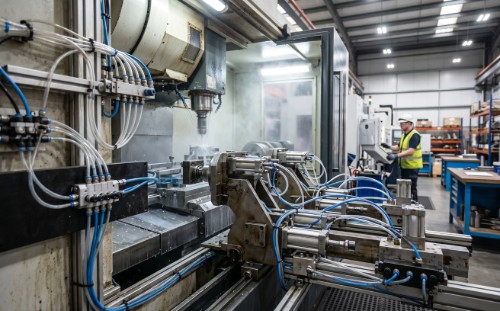
Manufacturing
Pneumatic automation and hydraulic power units to keep production lines moving.
Learn more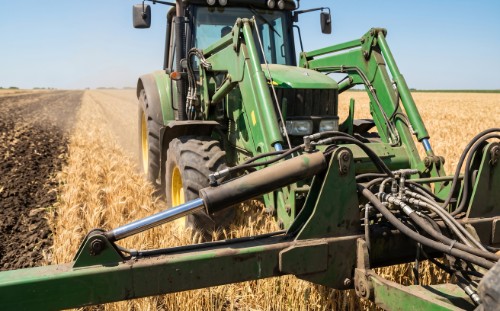
Agriculture
Durable fluid power systems designed to keep agricultural machinery operating at peak efficiency.
Learn more
Food & Beverage
Expert fluid power solutions and components for food and beverage facilities.
Learn more
Aircraft Ground Support
Precision hydraulic hose assemblies and fittings engineered for ground support vehicles and aircraft servicing equipment.
Learn more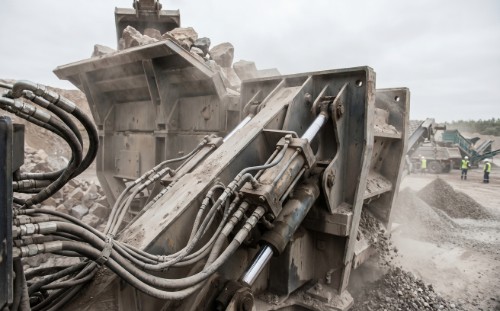
Aggregates & Cement
Heavy-duty hydraulic systems and hose assemblies built for the continuous demands of crushing, screening, and mixing operations.
Learn more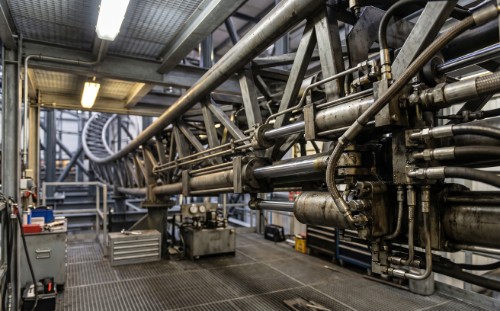
Entertainment & Theme Parks
Reliable hydraulic and pneumatic systems powering rides, stage equipment, and attractions safely and consistently.
Learn more
Industrial & Packaging
Pneumatic cylinders and fluid power components engineered for high-cycle industrial automation and packaging lines.
Learn more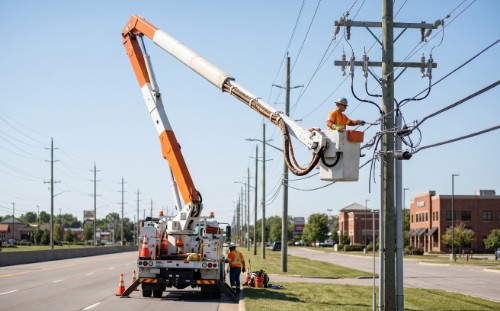
Government & Municipal
Certified hydraulic components and hose assemblies supporting the reliability demands of government fleets and municipal infrastructure.
Learn more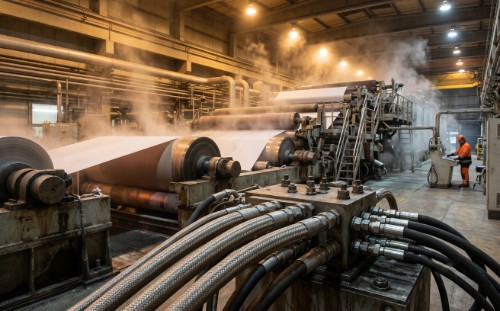
Paper & Pulp Mills
High-pressure hydraulic hoses and fittings built to withstand the high-moisture, corrosive conditions of paper and pulp production.
Learn more
Healthcare & Life Sciences
Precision hydraulic and pneumatic components meeting the cleanliness and reliability standards of medical and life science manufacturing.
Learn more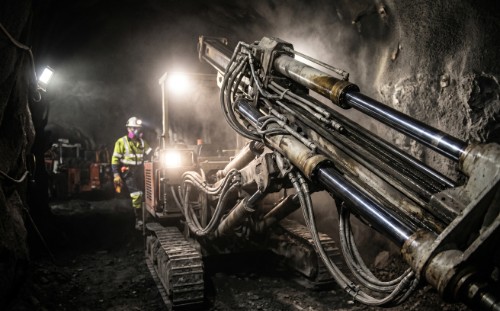
Mining & Extraction
Rugged hydraulic hoses, cylinders, and fittings built to perform in the demanding conditions of surface and underground mining.
Learn more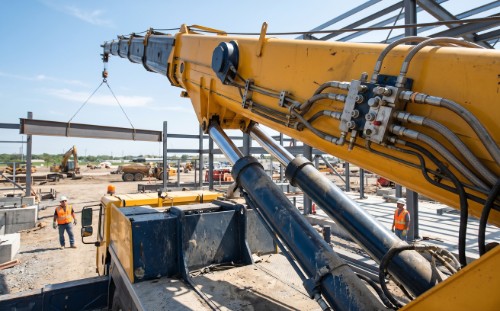
Mobile Machinery & Equipment
Complete hydraulic solutions keeping mobile equipment and specialty vehicles operating reliably across demanding field conditions.
Learn more
Oil & Gas
High-pressure hydraulic hoses, fittings, and assemblies rated for upstream, midstream, and downstream oil and gas operations.
Learn more
Power Generation
Hydraulic and pneumatic components built to the precision and reliability standards required by power generation facilities.
Learn more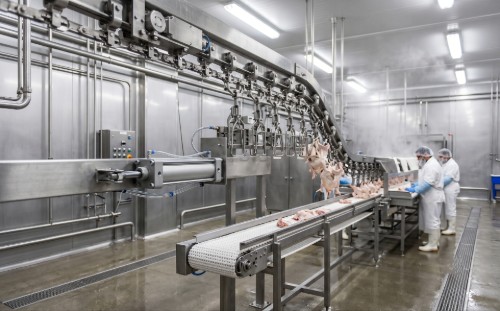
Poultry Processing
Sanitary-grade hydraulic and pneumatic components designed for the high-volume, wash-down conditions of poultry processing.
Learn more
Pharmaceutical
Clean-room-compatible fluid power components meeting the strict regulatory and contamination-control requirements of pharmaceutical manufacturing.
Learn more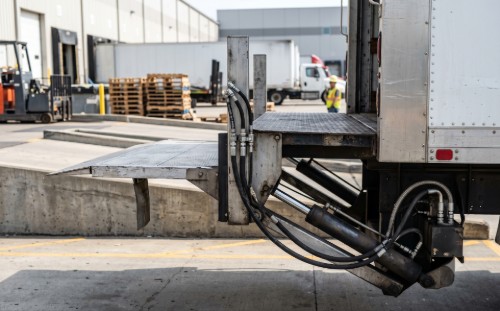
Transportation & Logistics
Durable hydraulic hoses, cylinders, and fittings built to keep commercial vehicles and transport fleets operating at full capacity.
Learn more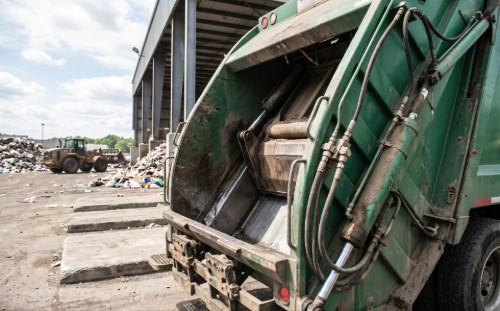
Waste & Disposal
Heavy-duty hydraulic cylinders and hose assemblies built for the relentless demands of waste collection and compaction equipment.
Learn more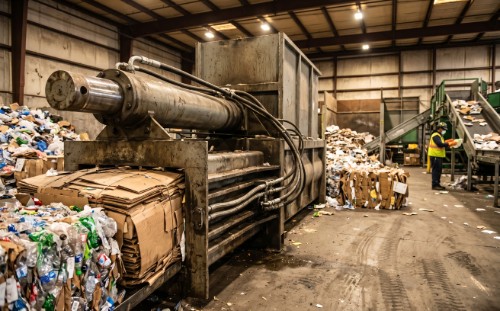
Recycling & Recovery
Robust hydraulic components and hose assemblies powering balers, shredders, and material handling equipment in recycling operations.
Learn moreIndustrial Applications of Fluid Conveying Accessories
Flanges, clamps, swivel joints, and protective closures are the finishing hardware that transforms an assembled hydraulic installation into a complete, professional-grade system. In heavy industrial and marine installations, SAE Code 62 flanges connect large-bore hydraulic lines where threaded connections are impractical. In mobile equipment, balanced-pressure swivel joints allow hose routing to rotating structures without pressurized disconnection. HSC stocks Code 61 and Code 62 flanges, swivel joints, tube clamps, protective caps, and thread sealants for any installation.
Fluid Conveying Accessory Components Matter
The components in this category are easy to undervalue — small items, low unit cost, easily substituted. The consequences of substitution are real: an undersized clamp allows hose movement that causes chafing fatigue; an unrated flange creates a leak point at system pressure. HSC stocks Code 61 and Code 62 flanges, swivel joints, and tube clamps from Aeroquip, Anchor Fluid Power, and Stauff — components rated to the pressure class of the circuit they protect.
Frequently Asked Questions
What is a split flange connection and when is it used?
A split flange connection uses two half-clamp pieces bolted around a flange head on a fitting or hose end, clamping the flange against a machined port face with an O-ring seal between them. The four-bolt clamping force provides both the sealing load on the O-ring and the mechanical retention of the connection — making it suitable for large-bore, high-pressure hydraulic connections where threaded fittings would require impractically large hex sizes and where pull-out forces exceed what thread engagement can resist. SAE J518 Code 61 is the standard to 3,000–5,000 PSI; Code 62 extends to 6,000 PSI.
What is the difference between Code 61 and Code 62 flanges?
Code 61 and Code 62 are SAE J518 flange standards that differ in bolt circle, bolt size, and body geometry — and therefore in maximum working pressure rating. Code 61 is the standard for most mobile and industrial hydraulic pump and motor connections. Code 62 is the high-pressure variant, with a larger bolt circle and heavier construction rated for higher system pressures at equivalent port sizes. The two codes are not interchangeable — a Code 62 flange head will not fit a Code 61 half-clamp set. Always verify the flange code marked on the component port before ordering hardware.
How do I size pipe and tube support clamps for a hydraulic installation?
Select the clamp series whose bore size matches the tube or hose OD, and whose load rating exceeds the expected vibration and gravitational load for the span. Weld-plate clamps provide the most rigid support on fixed equipment — the weld plate is welded to the machine structure before the clamp is installed. Rail-mount clamps attach to a standard DIN or strut channel and allow repositioning after installation. Clamp spacing for steel hydraulic tubing is typically every 24–36 inches for standard hydraulic pressure and vibration levels, with closer spacing near fittings and at any direction change.
Why should I clean hydraulic hose bores with a projectile before assembly?
Hydraulic hose interiors carry manufacturing residue — rubber dust, wire strands from braid or spiral reinforcement, and cutting debris from the hose saw. When a hose is assembled and connected to the hydraulic circuit without cleaning, this material circulates through pumps, valves, and cylinders during initial operation, generating accelerated wear that shortens component life. Foam cleaning projectiles launched through the bore by compressed air remove this contamination before assembly — a one-minute step that protects every downstream component in the circuit.
Does HSC stock split flange kits and swivel joints for same-day pickup or shipping?
HSC stocks Code 61 and Code 62 split flange kits, balanced-pressure swivel joints, pipe and tube support clamps, protective closures, and flange accessories from Aeroquip, Anchor Fluid Power, Stauff, and other trusted manufacturers. Same-day shipping is available on orders placed before 2pm EST, and with 40+ branch locations throughout the Southeast, there is likely an HSC store near you with the fluid conveying accessories you need already on the shelf.