Tubing Comparison

Steel vs. Stainless Steel Hydraulic Tubing: Which One Fits Your Application?

Carbon steel hydraulic tubing costs less and often matches or exceeds stainless steel's pressure rating for a given wall thickness, but it corrodes without a protective coating and needs regular inspection in humid or corrosive conditions. Stainless steel tubing costs more and is harder to bend and machine, but resists corrosion in marine, washdown, or chemical-exposure environments without any added coating. The right choice depends on your system's pressure needs, budget, and how much corrosion exposure the tubing will see.

Not sure yet which material fits your system? Browse HSC's full Tubing selection.

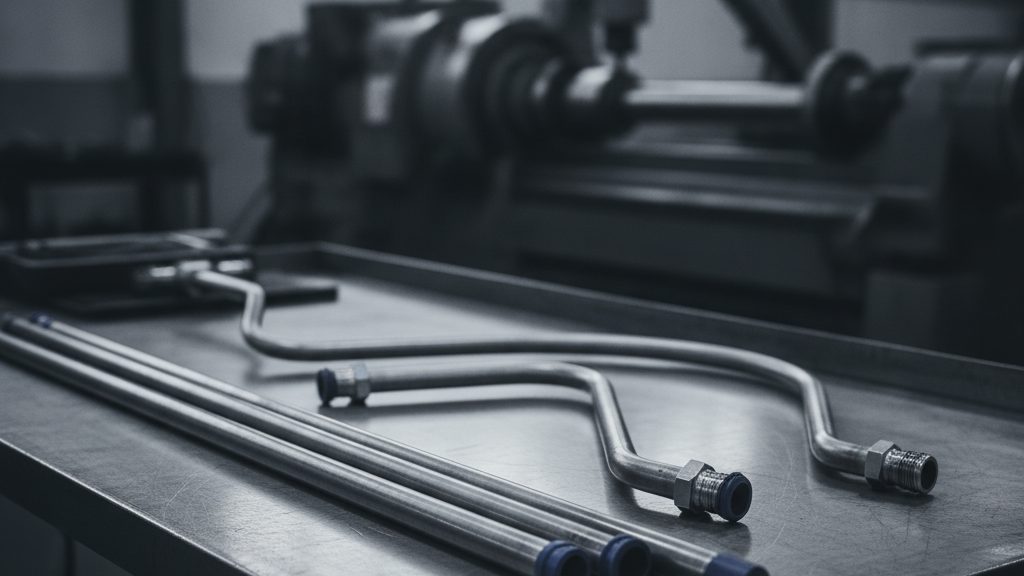
Straight lengths and bent lines of steel hydraulic tubing with fittings on a steel workbench in a hydraulic fabrication shop
Side by Side

Comparison Table

Swipe to see both tubing materials

Attribute Carbon Steel Tubing Stainless Steel Tubing
Typical Pressure Rating Up to 3,420 psi in HSC's seamless carbon steel tubing Varies by size, commonly 2,000+ psi in 316 seamless
Corrosion Resistance Low, needs a protective coating without one Excellent, self-healing chromium oxide layer
Cost Lower Higher, often several times more per foot
Ductility / Bendability Good, annealed grades bend and flare easily Lower, harder to machine and bend
Best For General hydraulic systems with adequate corrosion protection Marine, washdown, food-grade, and corrosive environments
Tubing Materials

When to Choose Each Tubing Material

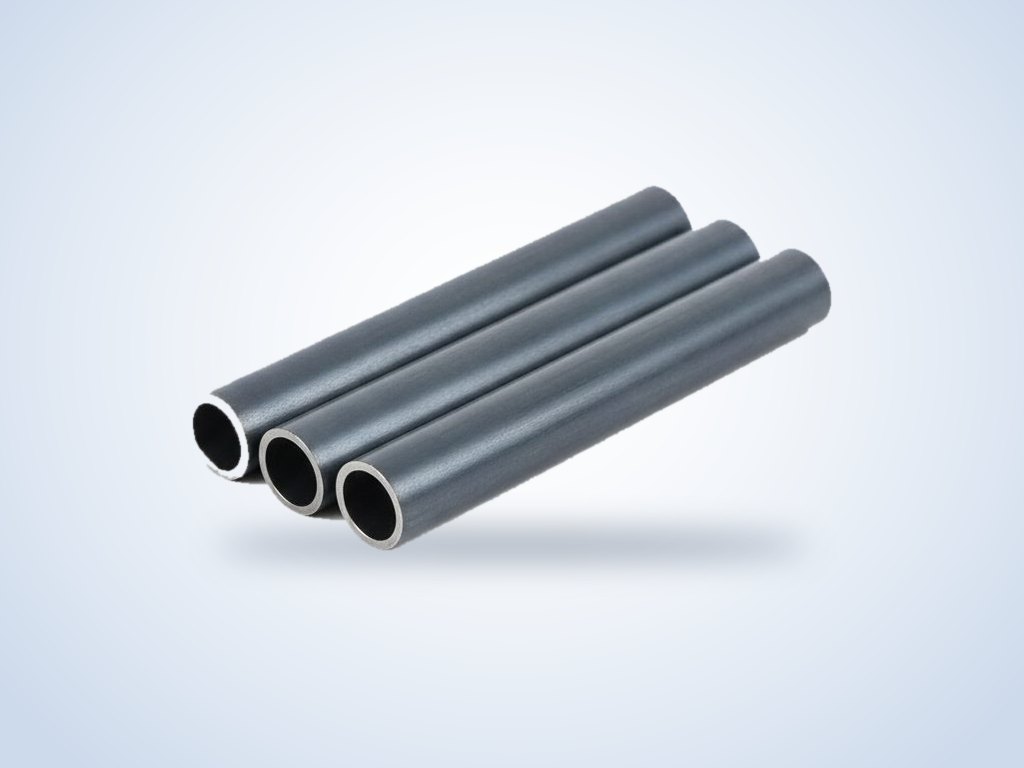
Length of seamless carbon steel hydraulic tubing, 1-1/4 inch OD with 0.095 inch wall, showing the cut end

Carbon Steel Tubing

Carbon steel tubing is the standard choice for general hydraulic systems where cost matters and corrosion exposure is limited or already managed with a coating. Its low-carbon, annealed construction bends and flares easily, which simplifies field fabrication.

Key Advantages:

  • Lower cost than stainless steel
  • Bends and flares easily without cracking
  • Matches or exceeds stainless pressure ratings at comparable wall thickness

Limitations:

  • Prone to rust and corrosion without a protective coating
  • Requires regular inspection in humid or corrosive conditions
  • Not suited to washdown or marine environments without added protection

Typical Applications:

  • General industrial and mobile hydraulic systems
  • Indoor equipment with limited moisture exposure
  • Applications where a maintained protective coating is standard practice
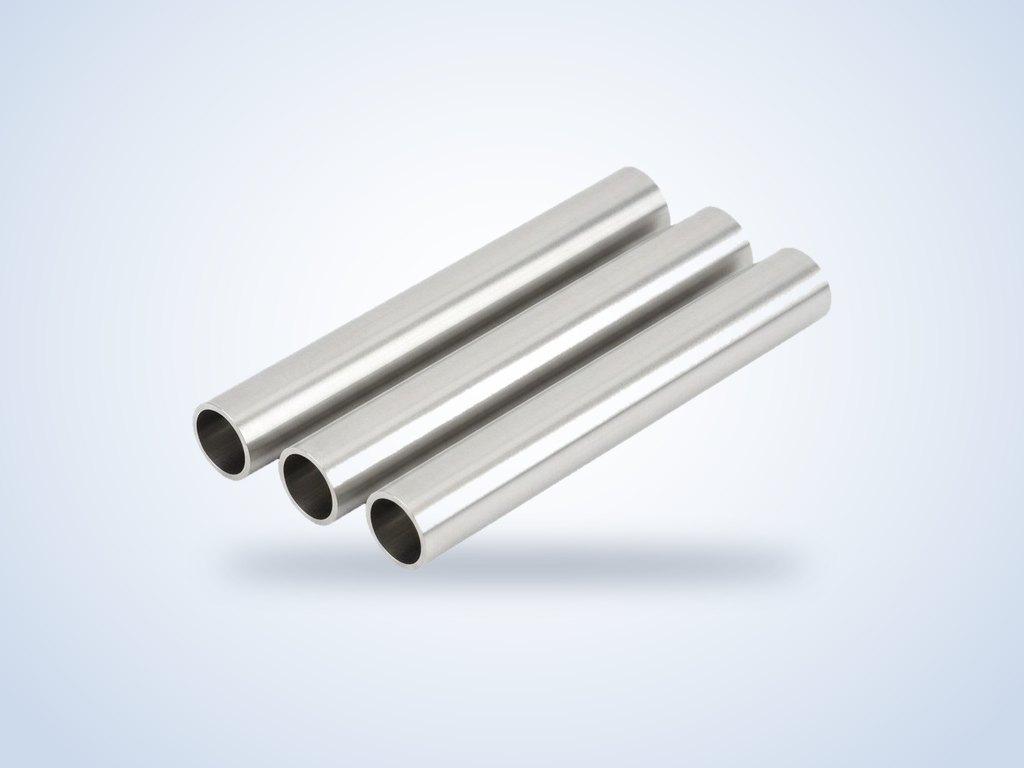
Length of seamless 316 stainless steel hydraulic tubing, 3/16 inch OD with 0.035 inch wall, showing the cut end

Stainless Steel Tubing

Stainless steel tubing is the right choice when corrosion resistance matters more than upfront cost. Its chromium content forms a passive protective layer that holds up in humid, acidic, and alkaline conditions without any coating, at the cost of being harder to bend and machine.

Key Advantages:

  • Excellent corrosion resistance without a coating
  • Holds up in marine, washdown, and chemical-exposure environments
  • Lower long-term maintenance in corrosive conditions

Limitations:

  • Higher cost, often several times more per foot
  • Harder to machine and bend, requiring slower forming speeds
  • Pressure rating can trail carbon steel at comparable wall thickness

Typical Applications:

  • Marine and offshore equipment
  • Food-grade and washdown environments
  • Chemical processing and corrosive industrial settings
Selection Guide

Tubing Selection Decision Framework

Decision 1: Corrosion Exposure

If the tubing will see moisture, washdown, marine spray, or chemical exposure, stainless steel is the safer choice regardless of upfront cost. If exposure is limited and a coating is properly maintained, carbon steel is a viable, lower-cost option.

Decision 2: Budget

If budget is a primary constraint and corrosion exposure is manageable, carbon steel delivers comparable pressure performance at a fraction of the cost. If long-term maintenance cost in a corrosive environment is the bigger concern, stainless steel's higher upfront cost often pays for itself.

Decision 3: Pressure Requirement

For a given wall thickness, carbon steel commonly matches or exceeds stainless steel's pressure rating, so a purely pressure-driven decision often favors carbon steel unless corrosion resistance is also required.

Decision 4: Fabrication Needs

If tubing will be bent or flared in the field, carbon steel's annealed, ductile construction is easier to work with. Stainless steel requires slower forming speeds and more careful handling to avoid cracking or work-hardening.

Most tubing installations also require compatible fittings. Browse HSC's Adaptall and Brand Hydraulics fitting lines to complete your build.

Frequently Asked Questions

What is the main difference between carbon steel and stainless steel hydraulic tubing?

The difference is composition. Carbon steel's primary alloying element besides iron is carbon, which keeps cost down but leaves it prone to rust without a protective coating. Stainless steel adds chromium, at least 10.5 percent by mass, which forms a thin, self-healing protective layer that resists corrosion without any coating.

Which hydraulic tubing material handles higher pressure?

It depends on the specific grade and wall thickness, but carbon steel often matches or exceeds stainless steel's pressure rating for a given wall thickness at a lower cost. HSC's seamless carbon steel tubing is rated up to 3,420 psi, while seamless 316 stainless steel tubing pressure ratings vary by size and commonly run somewhat lower for a comparable wall thickness.

Which hydraulic tubing material resists corrosion better?

Stainless steel, by a wide margin. Its chromium content forms a passive oxide layer that resists rust in humid, acidic, and alkaline conditions without any coating. Carbon steel corrodes without a protective coating and needs regular inspection in humid or corrosive environments.

Is stainless steel hydraulic tubing more expensive than carbon steel?

Yes, stainless steel tubing typically costs several times more per foot than carbon steel tubing of comparable size, reflecting both material cost and slower, more difficult machining.

Can carbon steel tubing be used in place of stainless steel tubing?

Sometimes, if the application does not involve significant moisture, chemical exposure, or washdown conditions and a protective coating is properly maintained. In marine, food-grade, or corrosive chemical environments, stainless steel is the safer choice regardless of upfront cost.

Which tubing material is easier to bend and flare in the field?

Carbon steel. Low-carbon, annealed grades are specifically designed for bending and flaring without cracking. Stainless steel is harder to machine and bend, requiring slower forming speeds and more careful handling.

Which hydraulic tubing material does HSC recommend for marine or washdown environments?

Stainless steel tubing, typically 316 grade, is the standard recommendation for marine, offshore, food-grade, and washdown environments where corrosion resistance outweighs the added cost.

Does HSC stock both carbon steel and stainless steel hydraulic tubing?

Yes. HSC carries seamless carbon steel tubing and seamless stainless steel tubing, along with the fittings needed to complete an installation.

Tell us what you need and we'll get back to you.

Fields marked * are required.