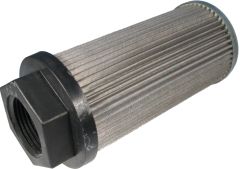
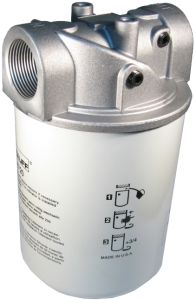
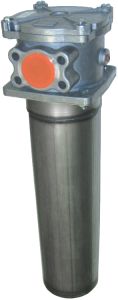
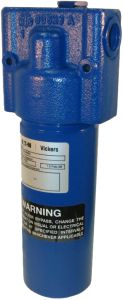
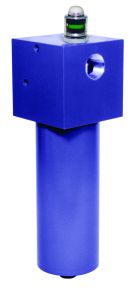
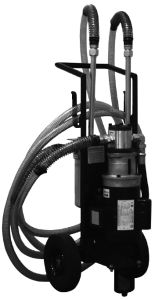
HSC stocks a comprehensive selection of hydraulic filters and filtration accessories — suction strainers, return line filters, high-pressure housings, and replacement elements from leading brands. Clean fluid is the most important reliability factor in any hydraulic system. Same-day shipping, 40+ locations.
Huge In-Stock Inventory Same-Day Shipping Top Industry Brands
Determine the required filtration level first, match the filter location to the circuit function second, and verify flow capacity and bypass settings before specifying the final housing and element.
Determine the Required Filtration Level (Micron Rating)Filtration requirements are driven by the most sensitive component in the circuit. Servo valves and proportional valves typically require ISO cleanliness levels of 16/14/11 or better, demanding 3–6 micron filtration. Standard directional valves and cylinders may tolerate 15–25 micron filtration at ISO 18/16/13. Always design filtration to meet the most sensitive component’s requirement — not the average — and verify using a beta ratio rating (β) rather than nominal micron rating alone.
Match Filter Location to Circuit FunctionSuction strainers protect the pump at the reservoir outlet but must be sized generously to avoid inlet restriction and cavitation. Return line filters capture system-generated contamination before it re-enters the reservoir and are the most common specification for general hydraulic systems. High-pressure filters downstream of the pump protect precision components in servo and proportional circuits. Offline filter carts supplement the main filtration system for oil conditioning and cleanup without interrupting machine operation.
Verify Flow Capacity and Bypass SettingsA filter sized below the circuit’s peak return flow will open its bypass valve continuously, bypassing unfiltered fluid back to the reservoir and defeating the purpose of the filter entirely. Size the filter housing for maximum flow with adequate margin, and confirm the bypass valve cracking pressure does not interfere with normal back-pressure in the return line. A clogged-filter indicator — visual or electrical — is strongly recommended to prevent operating on a full-bypass condition undetected.
What Our Customers Say
Trusted by 50,000+ industrial clients.
“Awesome company. Great experience here every time with Rene. My husband and his associates in the pool construction business won’t use anyone else for their machinery. Highly reputable service provider.”
Amanda P.
Naples, FL
“Great speedy service every time I’m in a pinch.”
Tommy Crawford
Theodore, AL
“Brandon is great and very helpful anytime we come in.”
Julien Hunt
Greensboro, NC
Technical Resources & Articles
Expert insights, maintenance tips, and industry news for hydraulic power systems.
Hydraulic failures never happen at a good time. One moment, your system is running smoothly — the next, it’s leaking fluid, overheating, or grinding to a halt. Downtime doesn’t just stall productivity;…
Hydraulic motors are critical components in fluid power systems, converting hydraulic energy into mechanical energy to drive equipment. Whether it's powering a conveyor in a factory, rotating an auger…
Choosing the Right Hydraulic Pump for Maximum Performance
Hydraulic pumps play a vital role in hydraulic systems by converting mechanical energy into hydraulic power. They are responsible for moving fluid…
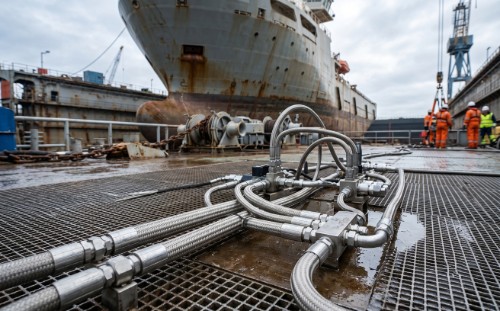
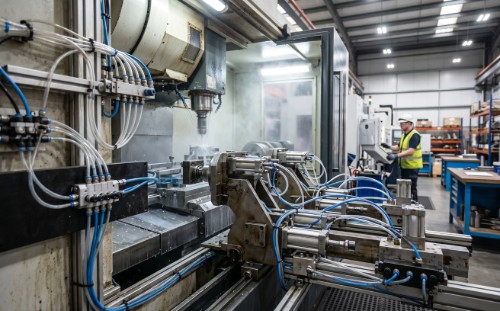
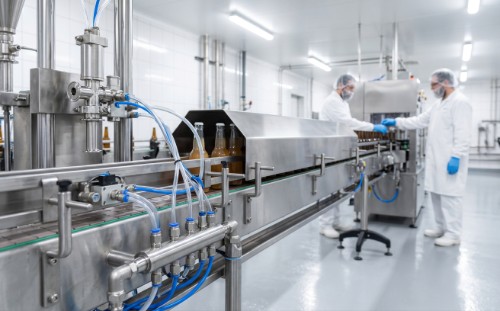
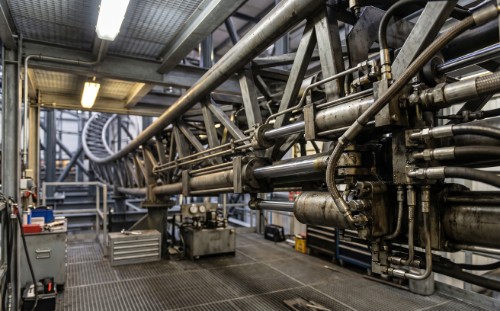
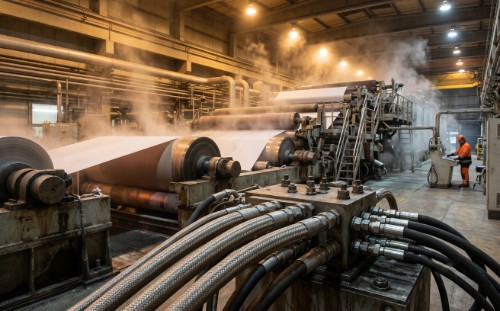
HSC works with industries that depend on reliable hydraulic and pneumatic systems, providing access to in-stock components, service capabilities, and knowledgeable support across diverse applications.
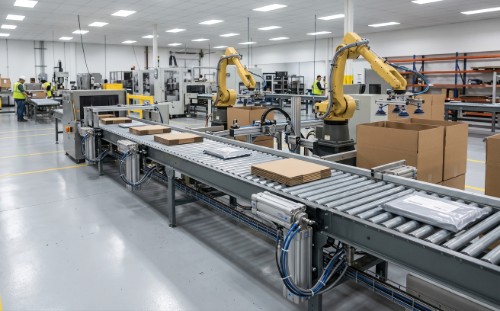
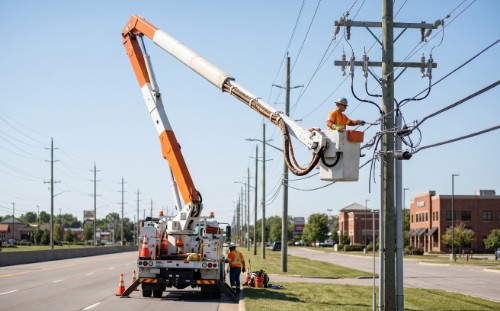
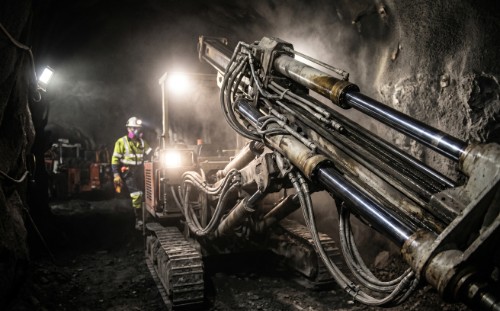
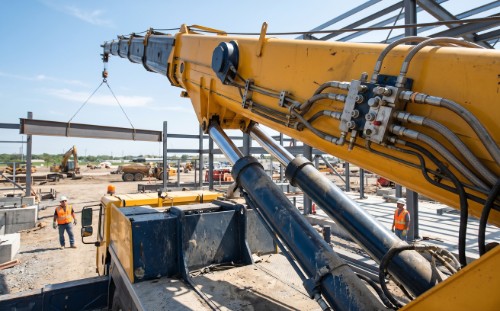
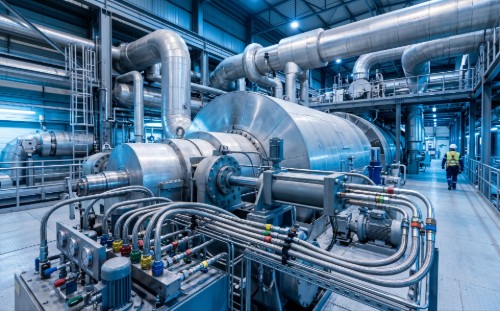
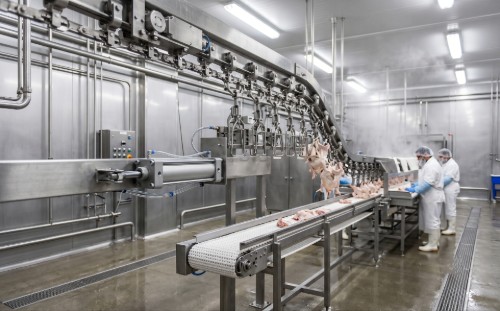
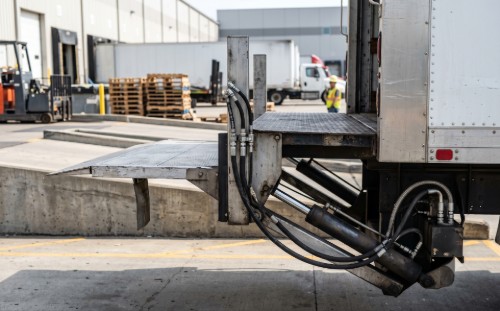
Hydraulic fluid contamination is responsible for over 70% of hydraulic system failures — making filtration the most consequential reliability decision in any fluid power installation. In industrial manufacturing, continuous-duty filtration keeps injection molding machines and assembly line hydraulics clean across millions of cycles. In mobile equipment and construction, filtration protects pumps and valves against particulate ingestion in harsh field conditions. HSC stocks suction, return line, and high-pressure filtration for any circuit location and contamination control requirement.
Hydraulic Filtration Components Matter
A filter element is the last line of defense between system contamination and every sensitive component downstream. Elements that fail to meet rated collapse pressure can shed media into the fluid stream. HSC stocks filtration from manufacturers whose elements are rated and tested to ISO cleanliness standards. Our specialists help select the correct micron rating, flow capacity, and bypass setting for every filter location in your hydraulic circuit.
Frequently Asked Questions
What is a beta ratio and why does it matter more than nominal micron rating?
A nominal micron rating describes the largest particle a filter will capture under ideal conditions — but it says nothing about how efficiently the filter performs at that particle size in real flow conditions. A beta ratio (β) measures actual filtration efficiency: a β10 = 200 rating means the filter removes 99.5% of particles 10 microns or larger. Always specify filters by beta ratio against the ISO cleanliness target your system requires, not nominal micron rating alone.
What is the difference between a suction strainer, a return filter, and a pressure filter?
Suction strainers sit at the reservoir outlet on the pump inlet, providing coarse protection (typically 100–150 microns) against large debris. They must be sized generously to avoid restricting pump inlet and causing cavitation. Return filters clean fluid re-entering the reservoir after passing through the system and are the most common main filtration point. Pressure filters are installed downstream of the pump at full system pressure to provide fine filtration (3–10 microns) immediately before sensitive valve and actuator components.
How often should hydraulic filter elements be changed?
Change intervals depend on operating environment, fluid condition, and bypass indicator status. As a general guideline, new systems should have their first element change after 50–100 hours as commissioning contamination is removed. Subsequent intervals typically range from 500–2,000 hours depending on system cleanliness requirements and contamination load. Never ignore a clogged-filter indicator — operating on bypass means unfiltered fluid is circulating through the system continuously.
Can I use any replacement element that fits my filter housing?
No. A replacement element must match the housing’s flow rating, bypass pressure, and — most critically — beta efficiency rating. An element with a higher nominal micron rating or lower beta ratio than the original specification reduces filtration protection for all downstream components. Always cross-reference by part number or verify specifications directly. HSC’s specialists can help identify the correct cross-reference for any housing.
Does HSC stock hydraulic filter elements and housings for same-day pickup?
HSC maintains a broad in-stock inventory of hydraulic filter elements and housings across all major brands and configurations. Same-day shipping is available on orders placed before 2pm EST, and with 40+ branch locations across the Southeast, there is likely an HSC store near you with the filtration products you need already on the shelf.