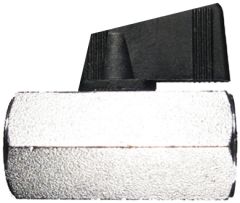
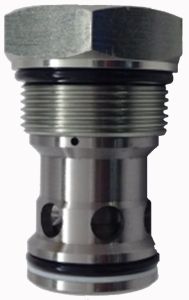
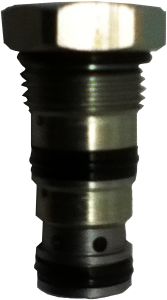
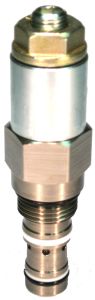
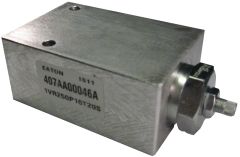
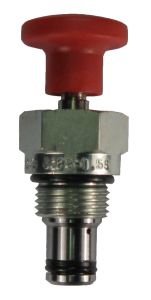
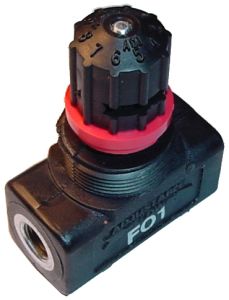
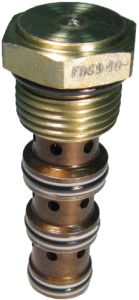
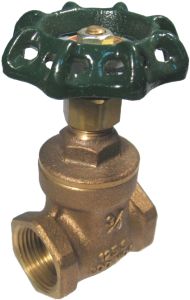
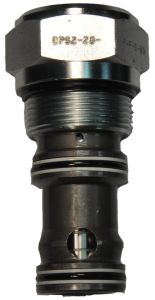
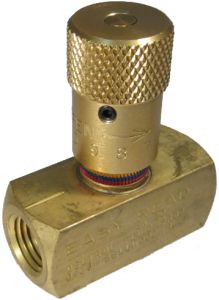
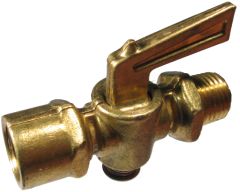
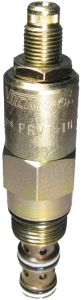
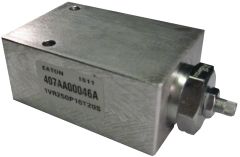
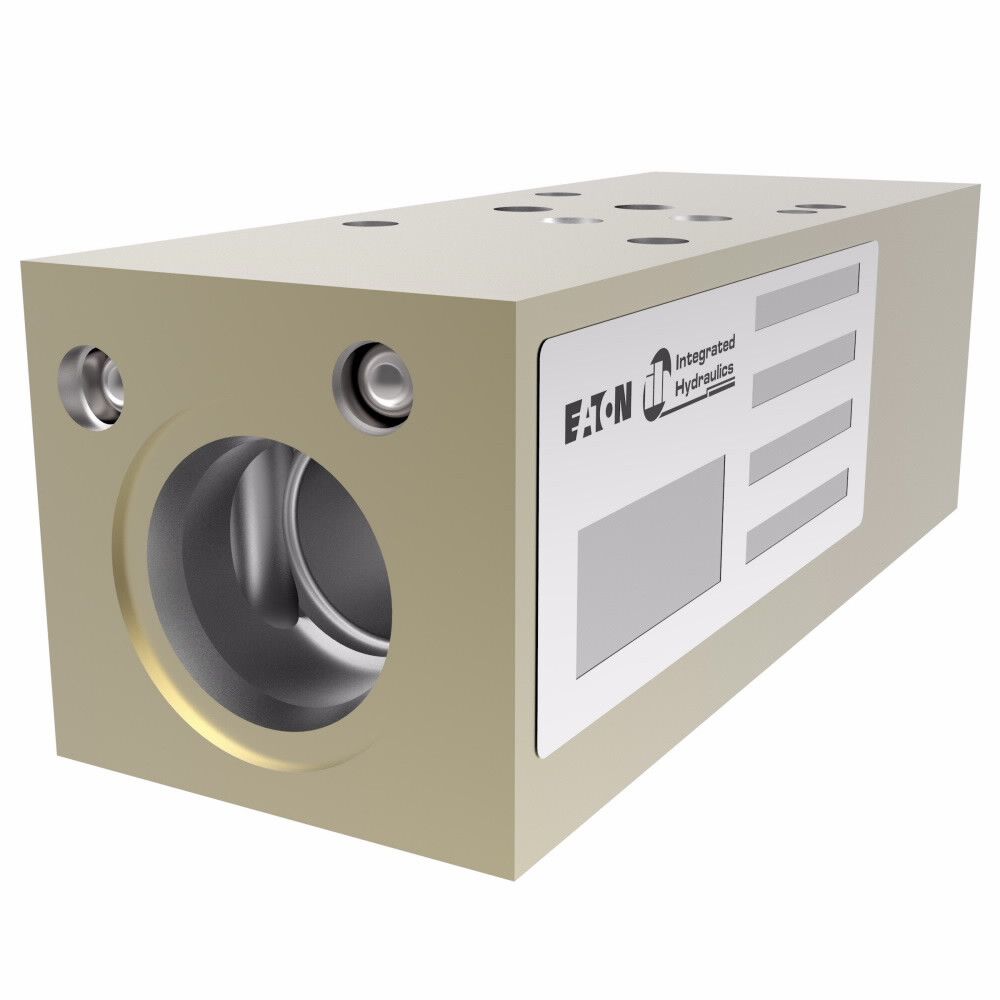
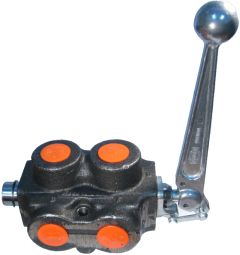
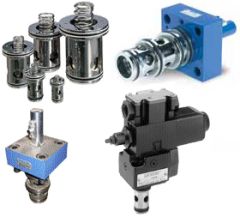
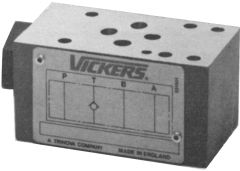
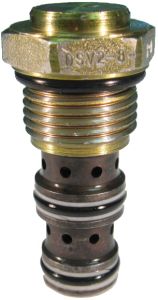
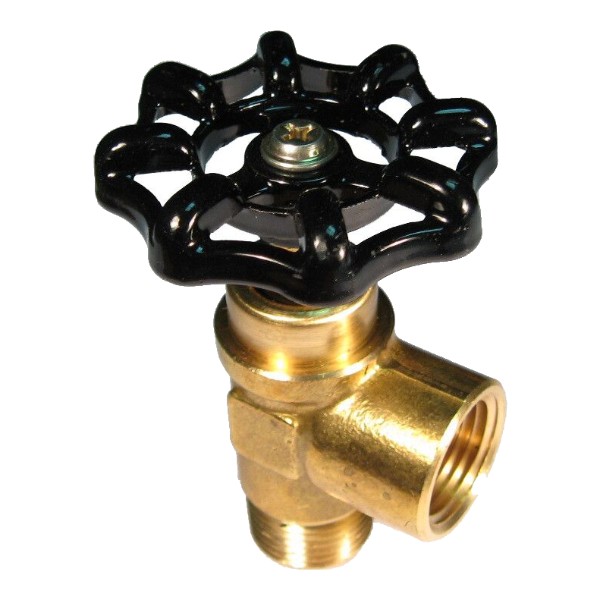
HSC carries one of the most comprehensive hydraulic valve inventories in fluid power — ball, needle, directional control, counterbalance, and cartridge valves for every circuit function and pressure rating. Our specialists help you find the right fit. Same-day shipping, 40+ locations.
Huge In-Stock Inventory Same-Day Shipping Top Industry Brands
Identify the valve’s circuit function first, match pressure and flow ratings second, and confirm mounting style and port configuration before specifying the final unit.
Identify the Valve’s Circuit FunctionValves fall into four functional categories: pressure control (relief, reducing, counterbalance), flow control (needle, flow control, flow divider), directional control (directional control valves, check valves, selector valves), and load control (pilot-operated check, counterbalance, cushion valves). Selecting the correct functional category first prevents misapplication. Choosing the right valve type for the wrong function — such as a relief valve where a reducing valve is required — is one of the most common and costly hydraulic circuit errors.
Match Pressure and Flow Ratings to System RequirementsEvery valve carries a continuous pressure rating (PSI) and a maximum flow rating (GPM). A valve undersized for flow generates excess pressure drop, system heat, and actuator speed loss. A valve undersized for pressure risks failure or internal bypass under system peaks. Always size to the worst-case operating condition — including dynamic pressure spikes — with an adequate margin above continuous rated values.
Confirm Mounting Style and Port ConfigurationHydraulic valves are available in inline (pipe or SAE threaded), subplate-mounted, cartridge, and manifold configurations. Mixing mounting styles on a single circuit adds plumbing complexity and leak potential. For multi-function circuits, cartridge or stack valve designs consolidate functions into a single machined manifold, reducing external connections, weight, and long-term maintenance burden significantly.
What Our Customers Say
Trusted by 50,000+ industrial clients.
“Great Service. Open Saturdays. Had all the fittings I needed. Came in with boss to get JIC fittings looking for some crossover fittings. They got me the ones I needed to get my directional valve working and oil moving.”
Trucker Frank
Midland, TX
“20,000 parts in inventory! Say what! Nobody even close in Florida to the kind of inventory and service. Hose assemblies in 15 minutes while you wait.”
Tim K.
Florida City, FL
“This place has everything you will ever need. The best Hydraulic shop in NC. Brandon is always very helpful.”
Robert Lyon
Greensboro, NC
Technical Resources & Articles
Expert insights, maintenance tips, and industry news for hydraulic power systems.
Hydraulic failures never happen at a good time. One moment, your system is running smoothly — the next, it’s leaking fluid, overheating, or grinding to a halt. Downtime doesn’t just stall productivity;…
Hydraulic motors are critical components in fluid power systems, converting hydraulic energy into mechanical energy to drive equipment. Whether it's powering a conveyor in a factory, rotating an auger…
Choosing the Right Hydraulic Pump for Maximum Performance
Hydraulic pumps play a vital role in hydraulic systems by converting mechanical energy into hydraulic power. They are responsible for moving fluid…
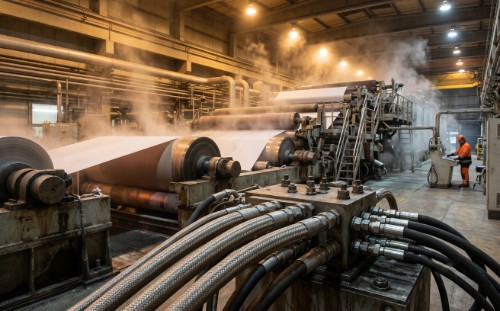
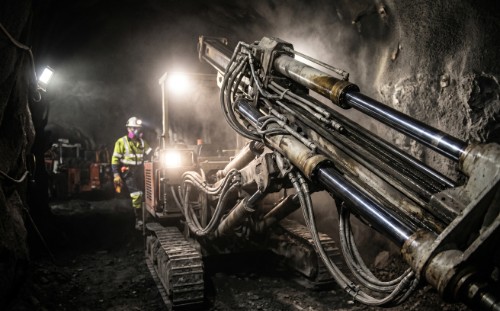
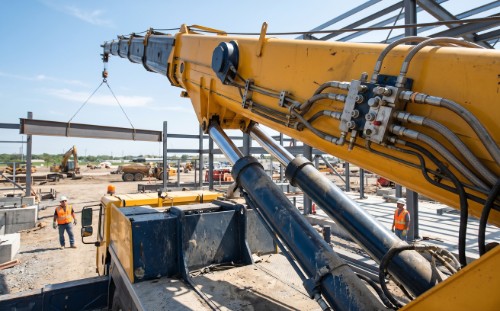
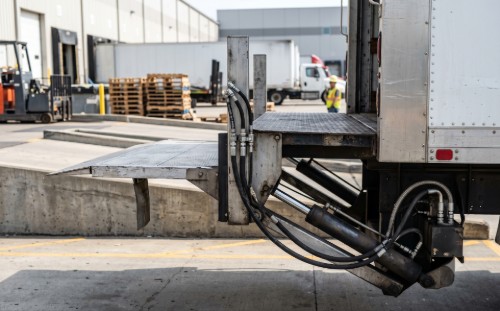
HSC works with industries that depend on reliable hydraulic and pneumatic systems, providing access to in-stock components, service capabilities, and knowledgeable support across diverse applications.
Hydraulic valves are the logic layer of every fluid power system — directing, metering, protecting, and sequencing flow to transform pump output into controlled mechanical action. In construction they manage boom and bucket movement; in industrial manufacturing they control press cycles and clamping sequences; in mobile equipment they sequence multiple actuator functions simultaneously. HSC stocks one of the most comprehensive valve inventories in fluid power — from simple ball valves to complex cartridge and stack assemblies.
Hydraulic Valve Components Matter
A hydraulic valve failure doesn’t just stop a circuit — it can allow uncontrolled actuator movement or system overpressure in seconds. Valves engineered to SAE and ISO standards hold rated pressure, respond reliably to pilot and solenoid signals, and maintain consistent flow control across the duty cycle. HSC stocks valves from recognized manufacturers with specialists available to match the right valve to your circuit function, pressure rating, and mounting configuration.
Frequently Asked Questions
What is the difference between a relief valve and a pressure reducing valve?
A relief valve protects the entire system by opening to tank when pressure exceeds a set limit — it is a safety device on the pump outlet or circuit. A pressure reducing valve limits downstream pressure to a lower set value while allowing the main system to operate at full pressure. Use a relief valve to protect a circuit from overpressure; use a pressure reducing valve to create a lower-pressure secondary circuit within a higher-pressure system.
How do I know if my directional control valve is failing?
Common signs include sluggish or erratic actuator response, cylinder drift when commanded to hold position, excessive heat generation, and internal bypass noticeable as a loss of speed or force under load. A worn or contaminated directional control valve spool allows flow to bypass to tank rather than route to the actuator, reducing circuit efficiency progressively until the valve is replaced or rebuilt.
What is the advantage of a cartridge valve system over inline valves?
Cartridge valves thread directly into machined manifold cavities, eliminating fittings, hose segments, and the leak points between inline components. In multi-function circuits this translates to a significantly smaller, lighter assembly with fewer potential failure points. Manifold-based cartridge systems are also faster to service — individual cartridge elements can be replaced without disconnecting any external plumbing.
How do I select the right relief valve setting for my system?
Set the relief valve at the lowest pressure that allows the actuator to overcome its maximum load with adequate margin — typically 10–15% above the maximum working load pressure. Setting the relief too high wastes energy and generates unnecessary heat; setting it too low causes the valve to open during normal operation, limiting force output and accelerating wear. Always verify the selected setting against the rated pressure of every component downstream of the relief valve.
Does HSC stock hydraulic valves for same-day pickup or shipping?
HSC maintains one of the largest in-stock hydraulic valve inventories in the Southeast, covering all valve types across a broad range of pressure ratings, flow capacities, and mounting configurations. Same-day shipping is available on orders placed before 2pm EST, and with 40+ branch locations across the region, there is likely an HSC store near you with the valve you need already on the shelf.