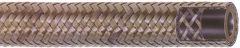
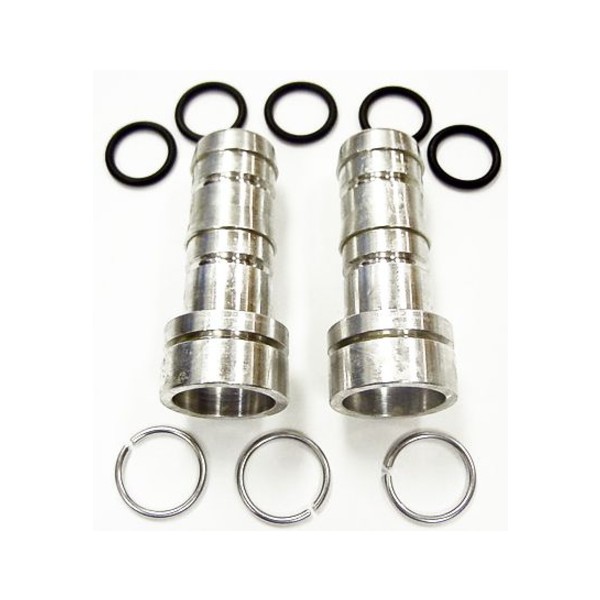
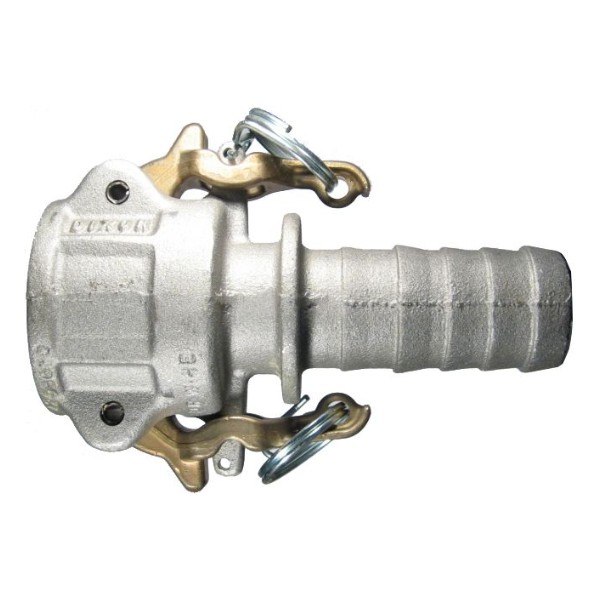
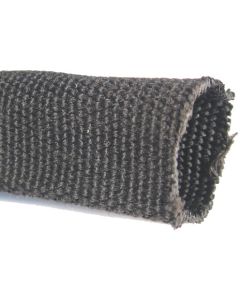
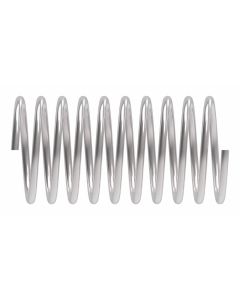
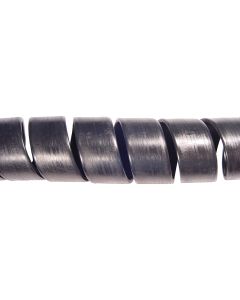
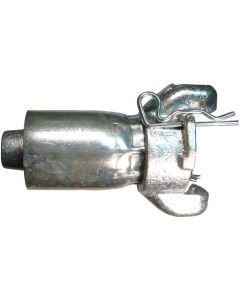
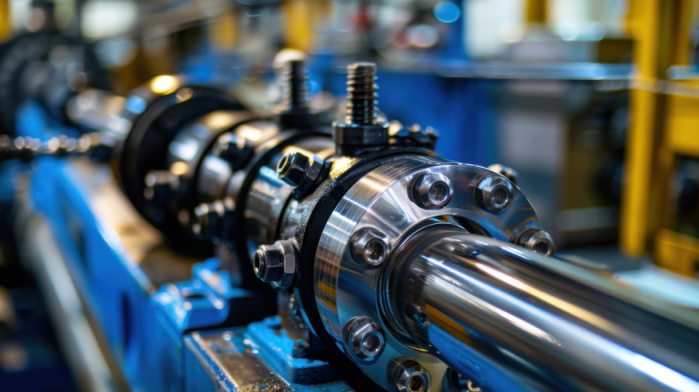
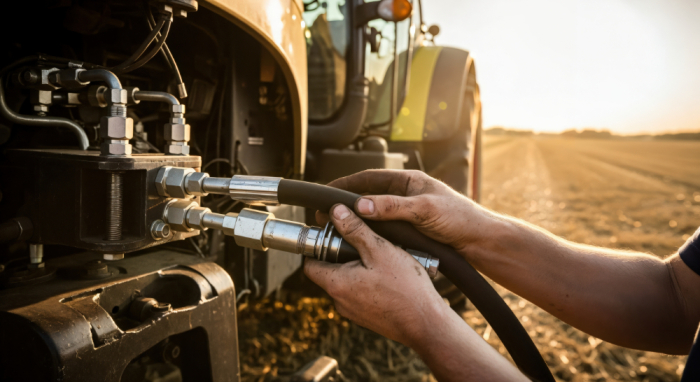
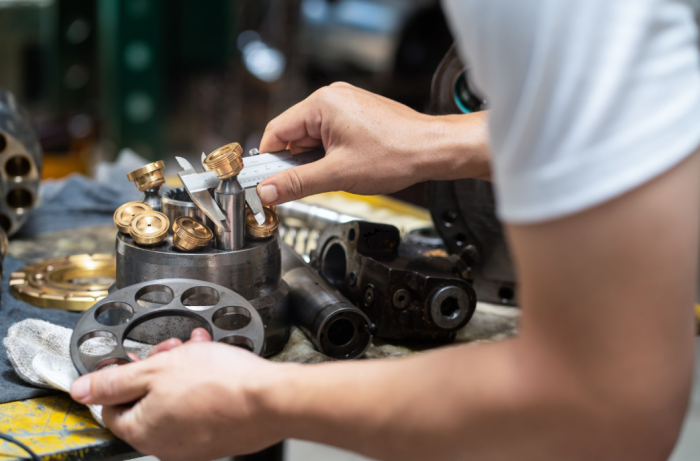
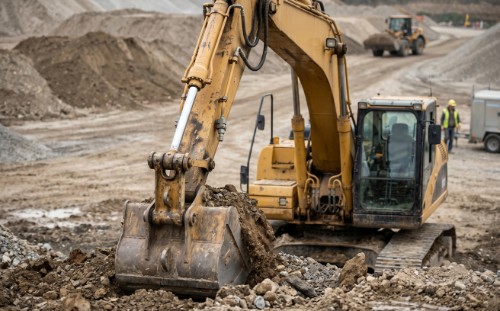
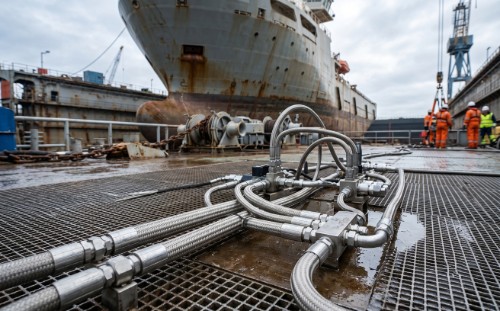
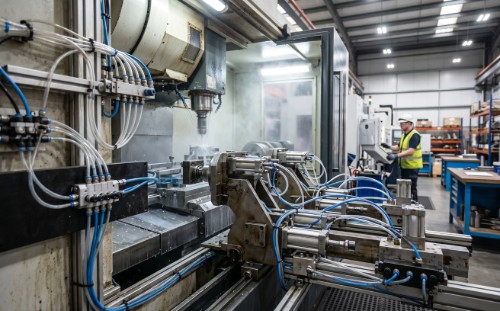
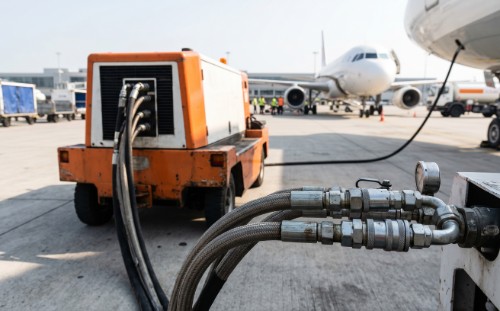
HSC stocks a full selection of hydraulic and industrial hose products — SAE wire braid and spiral hose, air brake hose, swage fittings, field-attachable ends, and crimp assemblies. Our in-store fabrication services build custom hose assemblies to length while you wait.
Huge In-Stock Inventory Same-Day Shipping Top Industry Brands
Match hose series, end fitting style, and assembly method (crimp vs. field-attachable) to the system pressure and environment.
Match Hose Series to the System’s Pressure and FluidSAE hose ratings define the application: 100R1AT single wire braid is rated for moderate hydraulic pressures in mobile equipment and general industrial circuits. 100R2AT double wire braid handles higher pressures and higher-impulse cycles. Spiral-wound hose is specified for the highest pressures and most demanding impulse environments. Air brake and fuel hose must meet their respective SAE standards (J1402/FMVSS106 and J1527) — these are not interchangeable with hydraulic hose, regardless of bore size or appearance. Confirm the hose series matches both the system pressure and the fluid being conveyed before cutting.
Select the End Fitting Style to Match the PortThe end fitting must match the port connection standard at both ends of the assembly — JIC 37° flare, ORFS, NPT, or air brake. JIC fittings seal on the flare cone and are common in existing mobile equipment and industrial machinery. ORFS provides a more leak-resistant seal at high pressures and is the preferred standard for new designs. NPT is common at low-pressure ports and fluid reservoirs. Never substitute fitting styles — a JIC fitting on an ORFS port creates a leaking, non-sealing assembly regardless of how tight the nut is torqued.
Choose Crimp Over Field-Attachable for Permanent AssembliesCrimped (swaged) hose assemblies are the professional standard for hydraulic circuits — the ferrule is permanently deformed onto the hose, creating a connection whose pull-out strength and pressure rating are certified by the manufacturer when made with matched hose and fitting. Field-attachable (reusable) fittings are appropriate for field repairs when a crimper is unavailable, but should be replaced with a crimped assembly at the next service opportunity for permanent installations. Never use a field-attachable fitting at pressures above its rated working pressure.
Hydraulic failures never happen at a good time. One moment, your system is running smoothly — the next, it’s leaking fluid, overheating, or grinding to a halt. Downtime doesn’t just stall productivity;…
Hydraulic motors are critical components in fluid power systems, converting hydraulic energy into mechanical energy to drive equipment. Whether it's powering a conveyor in a factory, rotating an auger…
Choosing the Right Hydraulic Pump for Maximum Performance
Hydraulic pumps play a vital role in hydraulic systems by converting mechanical energy into hydraulic power. They are responsible for moving fluid…
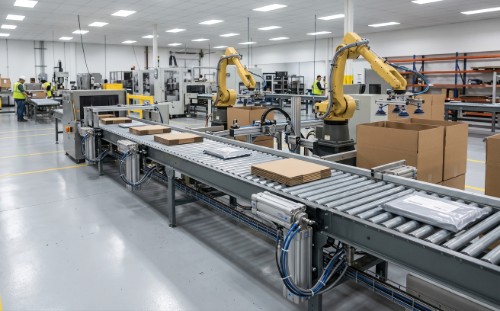
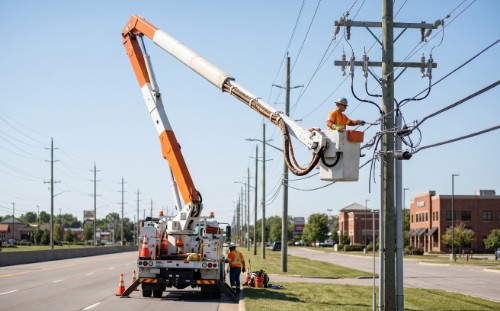
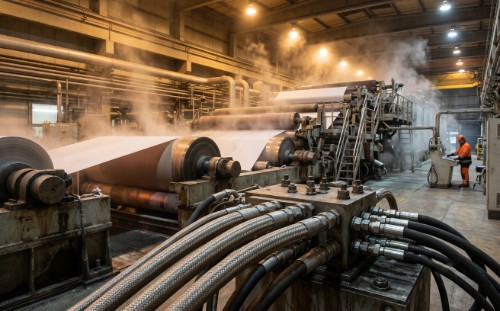
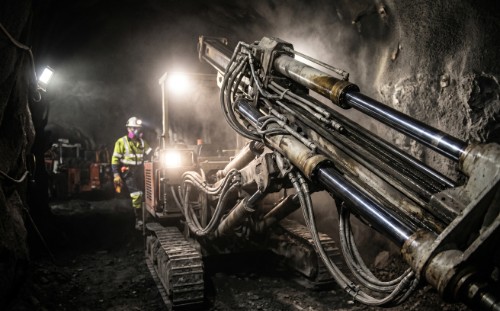
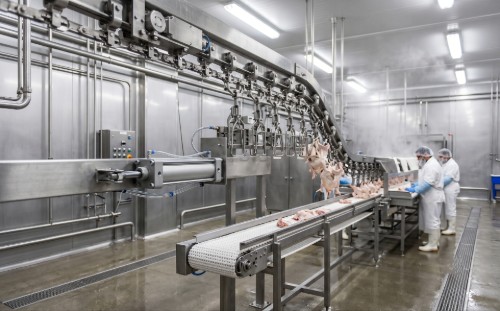
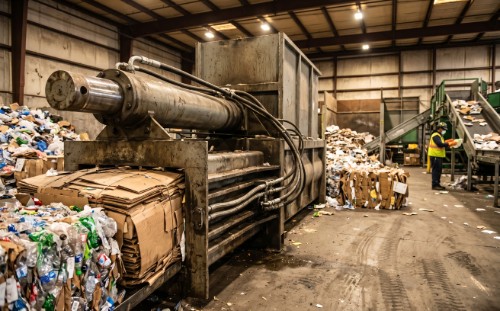
HSC works with industries that depend on reliable hydraulic and pneumatic systems, providing access to in-stock components, service capabilities, and knowledgeable support across diverse applications.
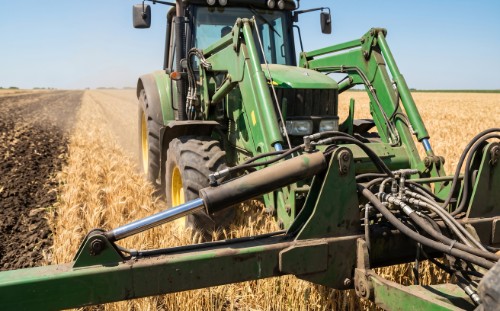
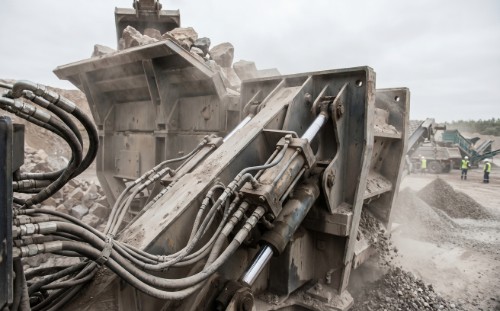
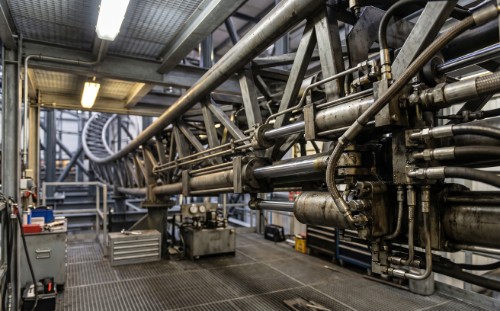
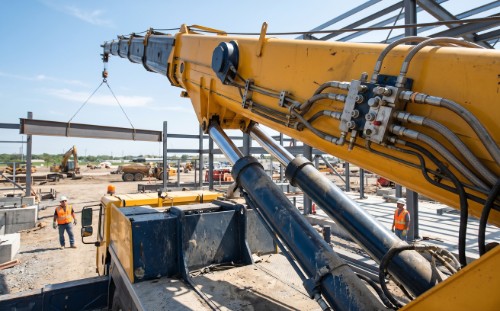
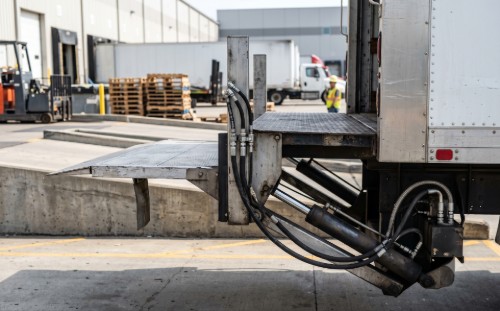
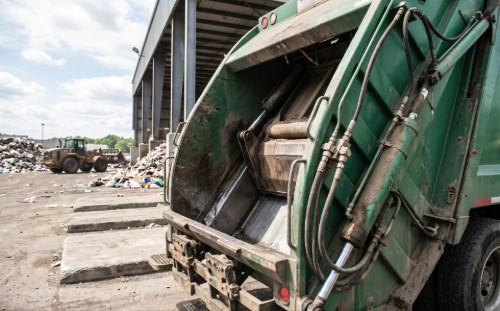
Hydraulic hose assemblies are the highest-volume maintenance consumable in any operation running mobile or industrial hydraulic equipment. Failed hose is the most common cause of hydraulic downtime — and the fastest fix is a replacement assembly built to exact specifications. In construction and agricultural equipment, wire braid and spiral hose routes high-pressure fluid to working attachments. In fleet vehicles, air brake hose is safety-critical. HSC fabricates custom hose assemblies in-store to SAE specifications while you wait.
Hose Products Components Matter
A hydraulic hose is a safety-critical assembly — injection injuries from pinhole leaks at working pressure are a documented industrial hazard. Hose assemblies built to SAE J517 standards, with fittings crimped to manufacturer specifications, maintain pressure ratings through the service life of the hose. Off-spec assemblies may hold initially but fail at unpredictable intervals. HSC builds assemblies to SAE specifications using Aeroquip, Gates, and Kuriyama hose — with in-store fabrication while you wait.
Frequently Asked Questions
What SAE hose rating do I need for my hydraulic system?
The correct SAE rating depends on your system’s maximum working pressure and expected impulse cycles. SAE 100R1AT (single wire braid) covers moderate pressures up to approximately 2,250–3,000 PSI depending on hose bore. SAE 100R2AT (double wire braid) handles higher pressures in the 3,500–4,000+ PSI range. Spiral hose (100R9, 100R12) is specified for the highest pressures and most severe impulse environments. Always use the hose series whose rated working pressure exceeds your system’s maximum pressure — not just the normal operating pressure.
Can I reuse old hose end fittings when replacing a hydraulic hose?
Field-attachable (reusable) fittings can be reused if the threads are undamaged, the sealing surfaces are clean and unmarked, and the fitting body is undistorted. Crimped (swaged) fittings are single-use — the ferrule is permanently deformed and cannot be removed and reinstalled on a new hose without losing the geometry that creates the seal. Attempting to cut and re-crimp a used ferrule creates an assembly of unknown pressure rating. For permanent hydraulic circuits, always use new crimp fittings.
What is the difference between a swaged fitting and a field-attachable fitting?
A swaged (crimped) fitting uses a ferrule permanently compressed onto the hose by a crimping machine, mechanically locking the fitting to the hose with a pull-out strength and pressure rating certified by the manufacturer. A field-attachable fitting threads onto the hose without a crimper — the inner nipple expands into the hose when the socket is torqued, creating a seal through compression. Field-attachable fittings are convenient for field repairs but are generally rated at lower pressures than their crimp equivalents and require periodic re-torquing. HSC recommends crimp fittings for all permanent installations.
How do I measure hydraulic hose to order the correct replacement?
Hydraulic hose is sized by its inside diameter (ID), measured in dash sizes (the ID in 1/16″ increments). A -8 hose has a 1/2″ ID, a -12 has a 3/4″ ID. The outside diameter and braid type tell you the construction. Always verify both the dash size and the SAE series from the hose cover printing. If the printing is unreadable, bring the hose to an HSC branch — our technicians can measure and identify the correct replacement in most cases.
Does HSC fabricate hose assemblies with same-day turnaround?
Yes. HSC fabricates custom hydraulic hose assemblies at all branch locations — typically in 15–30 minutes for standard assemblies. Bring the old hose assembly, the equipment, or dimensions and fitting specifications, and our technicians will cut, fit, and crimp your replacement assembly to specification. Same-day shipping on hose and fittings is also available for orders placed before 2pm EST.