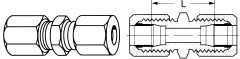
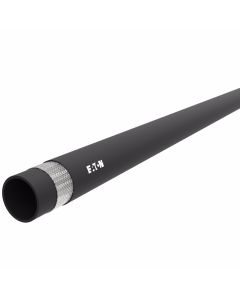
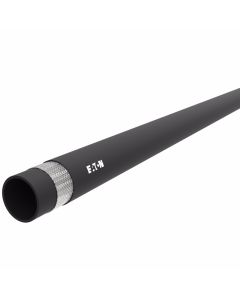
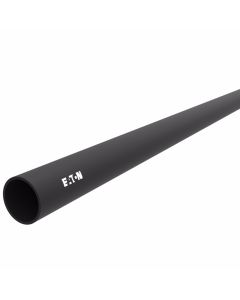
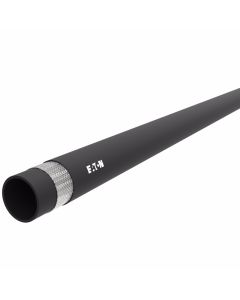
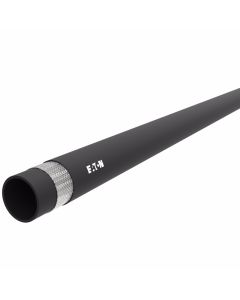
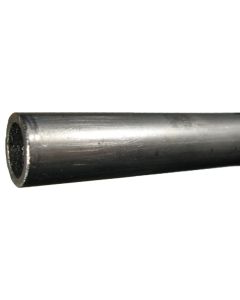
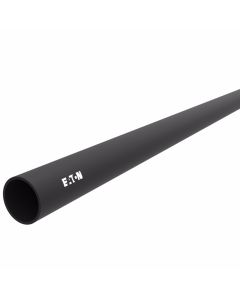
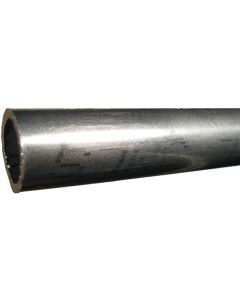
HSC stocks seamless carbon steel and stainless hydraulic tubing alongside a comprehensive selection of flareless, compression, and flare fittings. Rigid tubing provides a permanent, vibration-resistant connection for any fixed hydraulic installation. Same-day shipping on tubing and fittings, 40+ locations.
Huge In-Stock Inventory Same-Day Shipping Top Industry Brands
Work through tube material, OD and wall thickness, and fitting style to specify a rigid tubing assembly that holds working pressure across its service life.
Select Tube Material Based on Fluid, Pressure, and EnvironmentSeamless carbon steel tubing is the standard for hydraulic circuits — high working pressure ratings, broad compatibility with hydraulic fluids and mineral oils, and cost-effective for most industrial and mobile equipment applications. Seamless 316 stainless is specified for corrosive environments, seawater exposure, chemical compatibility requirements, and food or pharmaceutical applications where carbon steel is not acceptable. Nylon (polyamide) tubing is the standard for pneumatic and air brake lines where light weight, flexibility, and resistance to moisture are needed at moderate pressures. Match material to the fluid first, then verify the working pressure of the selected tube OD and wall thickness.
Match Tube OD and Wall Thickness to the Required Working PressureHydraulic tubing working pressure is determined by the combination of OD, wall thickness, and material — not by OD alone. A larger OD at a thin wall can have a lower pressure rating than a smaller OD at a thick wall. Consult the manufacturer’s pressure rating tables for the specific OD and wall you are selecting, and choose a combination that provides a safety factor above the system’s maximum working pressure, including surge. Tube fittings must also be rated for the same pressure — confirm the fitting’s working pressure matches or exceeds the tube’s rating.
Choose the Fitting Style for the Connection Standard in the CircuitFlareless (bite-type) fittings are the standard for hydraulic steel tubing — they require no tube end flaring and create a reliable, high-pressure seal through a ferrule that bites into the tube OD. Compression fittings are correct for softer tube materials (copper, plastic, nylon) in pneumatic and instrument circuits. Flare fittings require a flared tube end and are specified in brake and fuel systems to SAE standards. These three fitting types are not interchangeable — using the wrong fitting style for the tube material or application creates a connection that will not seal reliably under pressure.
“Ryan Killough is very helpful and always greets us with a smile! If the items we need are not available, he orders the supplies we need in a timely manner.”
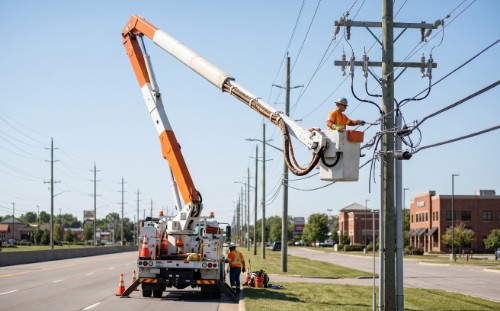
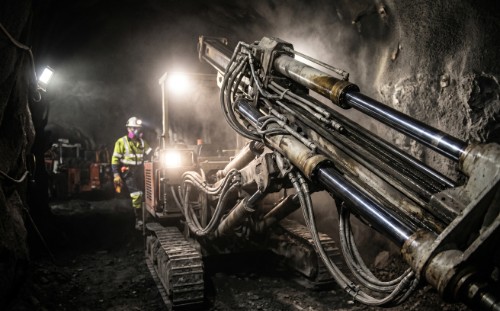
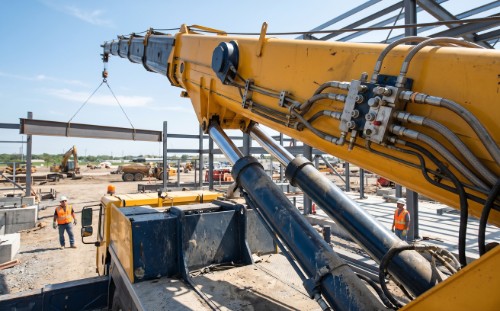
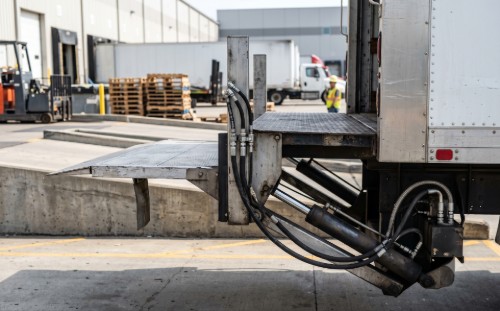
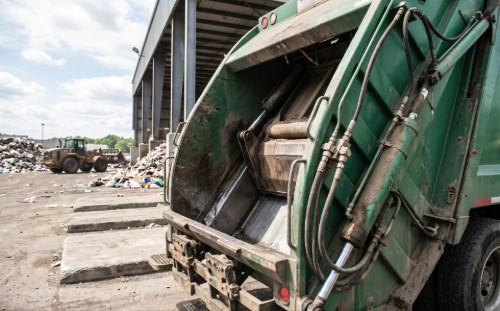
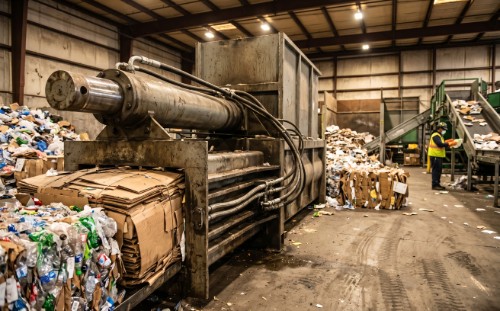
HSC works with industries that depend on reliable hydraulic and pneumatic systems, providing access to in-stock components, service capabilities, and knowledgeable support across diverse applications.
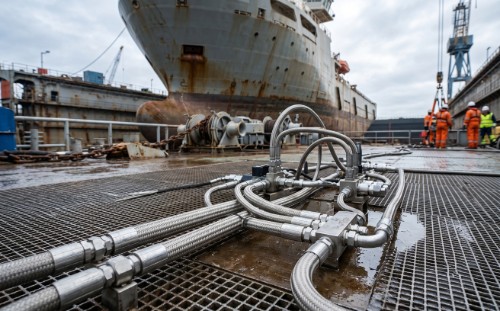
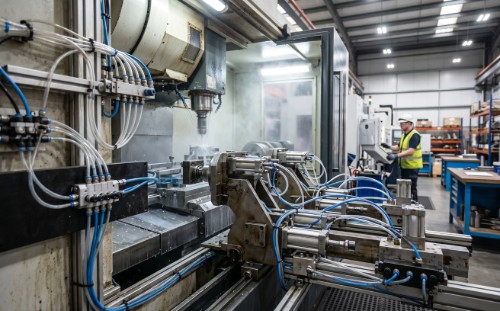
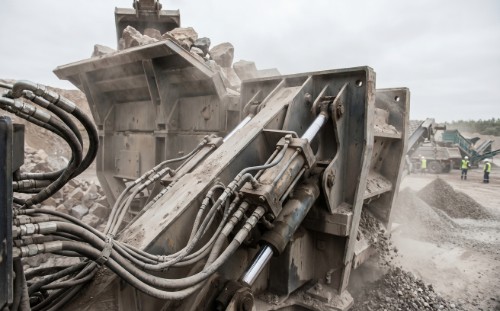
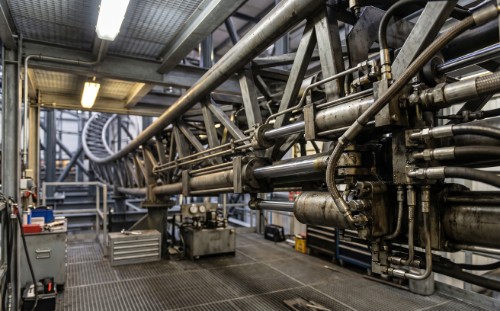
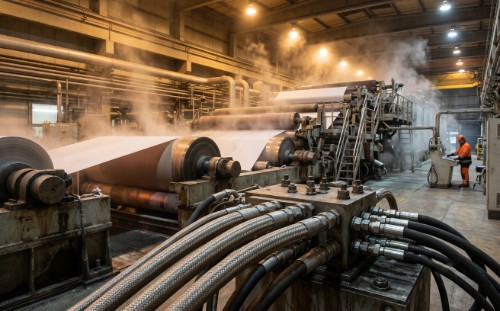
Hydraulic steel tubing is the preferred plumbing material wherever a permanent, vibration-resistant fluid connection is required. In industrial manufacturing, seamless carbon steel tubing runs fixed plumbing circuits for presses, injection molding machines, and assembly fixtures. In heavy equipment and marine installations, 316 stainless tubing provides corrosion resistance in harsh environments. HSC stocks seamless carbon steel and stainless tubing by the foot alongside a comprehensive selection of flareless, compression, and flare tube fittings.
Tubing Product Components Matter
Hydraulic tube fittings that fail to seal create leaks that progress — from a seep to a spray, and from a spray to a pressure-drop fault that stops equipment. Properly assembled flareless fittings provide leak-free connections across millions of pressure cycles. HSC stocks Parker, SSP, and Danfoss tube fittings — engineered to SAE and DIN standards — with specialists available to help select tube OD, wall thickness, and fitting type for any working pressure.
Frequently Asked Questions
What is the difference between flareless and compression tube fittings?
Flareless (bite-type) fittings use a hardened ferrule that bites into the outer surface of the tube as the nut is tightened, creating a mechanical seal without requiring the tube end to be flared. They are rated for high hydraulic pressures and are compatible with hard tubing — carbon steel and stainless steel. Compression fittings use a softer ferrule that compresses against softer tube materials — copper, aluminum, nylon, and plastic — sealing through surface deformation rather than biting. Compression fittings are appropriate for pneumatic, instrument, and low-pressure fluid applications, but are not suitable for high-pressure hydraulic steel tubing circuits.
How do I determine the correct wall thickness for hydraulic steel tubing?
Wall thickness determines the tube’s working pressure rating at a given OD and material. Use the manufacturer’s pressure rating tables for the specific tube OD and material grade — these tables show the rated working pressure for each wall thickness combination. Select a wall thickness whose rated working pressure exceeds your system’s maximum operating pressure, including dynamic surge, by a safety margin. Thicker walls increase pressure capacity but also reduce flow area and add weight — select the minimum wall that meets pressure requirements with an adequate safety factor.
Can I use stainless steel tubing in place of carbon steel in a hydraulic circuit?
Yes — 316 stainless is compatible with standard hydraulic fluids and can be used in any hydraulic circuit where carbon steel is acceptable, and in environments where carbon steel would corrode. Stainless tubing at the same OD and wall thickness typically has a lower pressure rating than carbon steel due to the lower yield strength of 316SS relative to hydraulic tubing steel grades. Verify the stainless tube’s rated working pressure for the OD and wall selected before substituting for carbon steel in a high-pressure circuit.
What tubing material is correct for air brake lines on commercial vehicles?
Air brake tubing must meet DOT (FMVSS 106/571.106) requirements for commercial vehicle air brake systems. Nylon (polyamide) tubing is the standard — specifically nylon 11 or nylon 12 tubing in colors coded to the air brake circuit. These materials resist moisture, remain flexible at cold temperatures, and meet the applicable federal standards for air brake system components. Standard hydraulic or pneumatic tubing is not a compliant substitute.
Does HSC stock hydraulic tubing and tube fittings for same-day pickup or shipping?
HSC stocks seamless carbon steel and stainless hydraulic tubing, nylon air brake tubing, and a broad selection of flareless and compression tube fittings across standard OD and wall combinations. Same-day shipping is available on orders placed before 2pm EST, and with 40+ branch locations across the Southeast, there is likely an HSC store near you with the tubing and fittings you need already on the shelf.