
-
All Products
- Hydraulic Power Systems & Components
- Hydraulic Pumps & Accessories
- Hydraulic Motors & Accessories
- Hydrostatic Transmissions
- Cylinders & Accessories
- Steering Units & Accessories
- Hydraulic Valves & Accessories
- Ball Valves
- Check Valves
- Check Valves (Pilot-Operated)
- Counterbalance Valves (Overcenter Valves)
- Cushion Valves (Double Relief Valves)
- Directional Control Valves
- Flow Control Valves
- Flow Divider Valves
- Gate Valves
- Logic Element Valves
- Needle Valves
- Plug Valves
- Pressure Reducing Valves
- Relief Valves
- Sandwich Valves
- Premium Selector Valves
- Hydraulic Filters & Accessories
- Power Units
- System Accessories
- High Force Hydraulics
- Hydraulic Pumps & Accessories
- Pneumatic Power & Control
- Fluid Conveying
- Hose Products
- Tubing Products
- Piping Products
- Adapters
- Steel
- O-Ring Face Seal Braze Adapters
- O-Ring Face Seal To Straight Thread O-Ring
- O-Ring Face Seal To Pipe
- O-Ring Face Seal To 37° Flare
- O-Ring Face Seal To O-Ring Face Seal
- O-Ring Face Seal Accessories
- Pipe To Pipe
- Pipe to 37° Flare
- Pipe To Straight Thread O-Ring
- Pipe To Hose
- 37° Flare Union
- Straight Thread O-Ring to 37° Flare
- Straight Thread O-Ring to Straight Thread O-Ring
- Straight Thread O-Ring to Hose
- SAE Split Flange To 37° Flare
- SAE Split Flange To O-Ring Face Seal
- Braze & Weld to 37° Flare
- 42° Inverted Flare to 37° Flare
- Restrictor
- Metric to 37° Flare
- Metric to Pipe
- Metric
- BSPP to 37° Flare
- BSPP to Pipe
- BSPP to Metric
- BSPP to BSPT
- BSPP
- BSPT To Pipe
- BSPT To 37° Flare
- JIS
- JIS 30° Seat (BSPP Thread) To 37° Flare
- Komatsu, Kobelco
- Stainless Steel
- Brass
- Steel
- Hydraulic Quick Disconnects
- Miscellaneous Fluid Conveying Parts
- Performance Parts
- Hose
- Adapters
- Brake System Adapters
- Fuel System Components
- Couplings
- PRO CLAMP and Overbraid
- Accessories
- Reusable Fittings for AQP & Starlite Racing Hose
- Crimp Fittings for AQP & Starlite Racing Hose
- Fittings for AQP Socketless Hose
- Reusable Fittings for Aeroquip FBF A/C Hose
- Fittings for Teflon Racing Hose
- Reusable Fittings for AQP High Pressure Hose
- Assembly Equipment
- Hose Products
- Other Products
- Seals
- Control Cables
- Thread Sealants
- Gloves
- Hand Tools
- Pressure Washer Products for Industrial & Commercial Use
- Hose Reels
- Winches
- Peel Press Drive
- Hydraulic Fluids & Oils for Industrial Systems
- Industrial Chemical Maintenance Products
- Lubrication Equipment & Accessories
- Cable Hardware & Knobs
- Cable Remote Controls
- Industrial Corrosion Inhibitors
- Y Strainer
- Hydraulic Power Systems & Components
-
Services
- 24/7 On-Site Mobile Services
- Control Cable Assemblies
- Crimper Maintenance Program
- Custom Hydraulic Components Fabrication
- Cut & Weld
- Danfoss x20 Stock Change Program
- Engineering Center Services
- Hose Kitting Services
- HPU Build Program
- Hydraulic & Industrial Hose Assemblies
- Hydraulic Repair & Service
- Tube Bending Services
- Vane Pump Build Program
- Other Programs Available
- View All Services
- Branch Locations
- Catalogs
- Help
- Quick Order
SAME DAY SHIPPING
— Order by 2pm EST.
Pneumatic Valves & Accessories

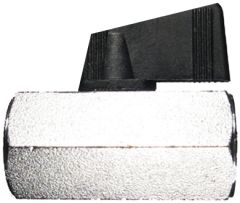
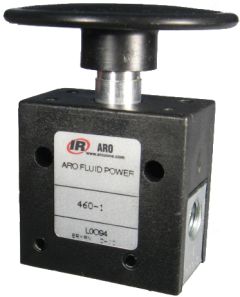
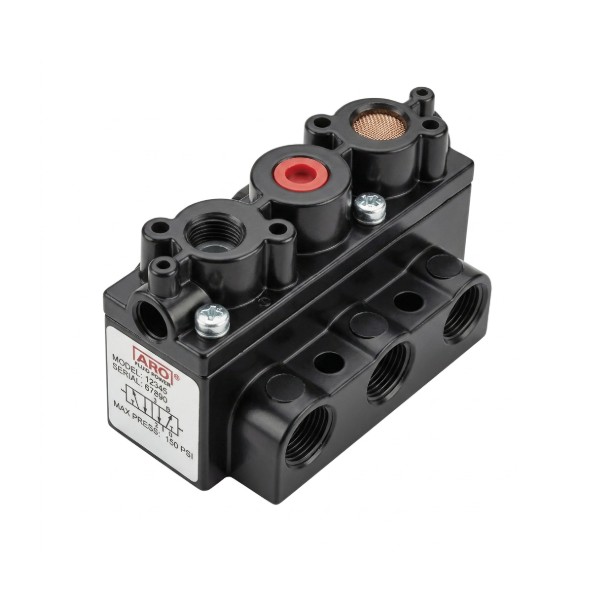
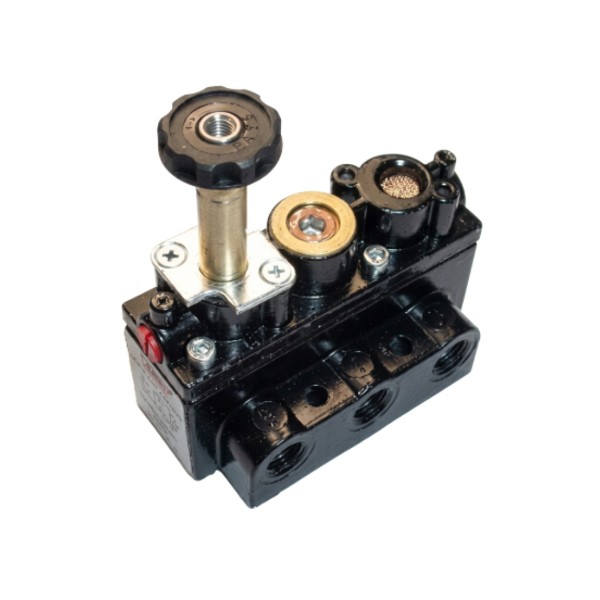
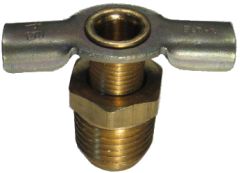
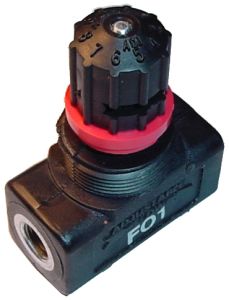
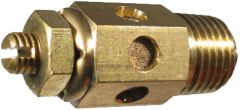
HSC stocks a comprehensive selection of pneumatic valves and accessories — solenoid, pilot-operated, and manual directional valves, flow controls, ball valves, and drain cocks. Our specialists help you specify the right valve for your control scheme, port configuration, and SCFM demand.
Pneumatic Valves & Accessories by Category
My Wish List
Last Added Items

You have no items in your wish list.
Quick Add Product
Account Summary
Short Code:
Credit Limit:
Current Balance:
How to Choose the Right Pneumatic Valve
Work through actuation type, port configuration, and flow demand to specify the right pneumatic valve for your control scheme.
-
Select Actuation Type for the Control Scheme Actuation type is the first decision. Manual valves give the operator direct physical control — the right choice when a human commands each cycle. Solenoid valves connect to a PLC or relay circuit for machine-automated operation. Pilot-operated valves use air signals from another valve or the circuit itself to create sequenced or interlocked control without electricity at the valve body. Selecting the wrong actuation type for the control architecture results in circuit redesign.
-
Match Port Count and Configuration to the Actuator The number of ports determines what the valve can do. A 2-way valve simply opens or closes a flow path. A 3-way valve supplies or exhausts a single actuator port — correct for single-acting spring-return cylinders. A 4-way or 5-port valve alternately pressurizes and exhausts both sides of a double-acting cylinder — the standard for any cylinder requiring powered movement in both directions.
-
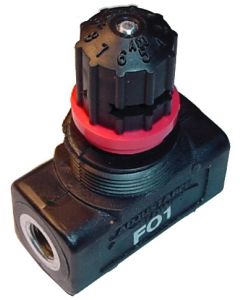
Verify SCFM Rating Against System Flow Demand Every pneumatic valve has a rated flow capacity in SCFM at a specified pressure differential. A valve undersized for the required flow creates excess pressure drop — the cylinder moves slowly, force drops under load, and cycle times extend. Calculate the SCFM your actuator requires at operating speed and select a valve rated above that demand with adequate margin. Also confirm that upstream components — filters, FRLs, hose, and fittings — can deliver that flow without bottlenecking at the valve inlet.
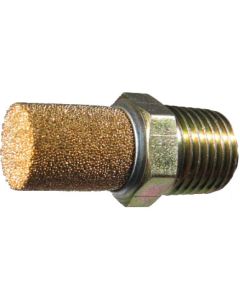
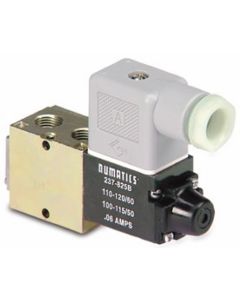
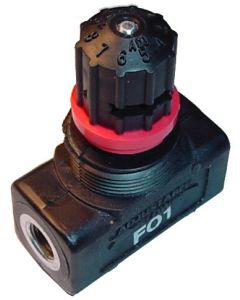
Featured In-Stock Valves
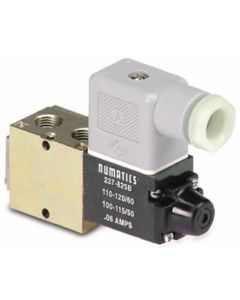
Best-sellers ready for immediate shipment.
What Our Customers Say
Trusted by 50,000+ industrial clients.
“Quick service, knowledgeable staff. Came here to get a hose made, they had the fittings I needed in stock and completed the work while I waited.”
William H.
Orlando, FL
“The guys at HSC are awesome at lowering your level of crisis!”
Donald Probst
Greenville, SC
“Awesome company. Great experience here every time with Rene. My husband and his associates in the pool construction business won’t use anyone else for their machinery. Highly reputable service provider.”
Amanda P.
Naples, FL
Technical Resources & Articles
Expert insights, maintenance tips, and industry news for pneumatic power systems.
-
Posted: February 18, 2026Categories: HSC Solutions
 Hydraulic failures never happen at a good time. One moment, your system is running smoothly — the next, it’s leaking fluid, overheating, or grinding to a halt. Downtime doesn’t just stall productivity;…Read Article
 -
Posted: January 07, 2026Categories: HSC Solutions
 Hydraulic motors are critical components in fluid power systems, converting hydraulic energy into mechanical energy to drive equipment. Whether it's powering a conveyor in a factory, rotating an auger…Read Article
 -
Posted: April 02, 2025Categories: HSC Q&A
 Choosing the Right Hydraulic Pump for Maximum Performance Hydraulic pumps play a vital role in hydraulic systems by converting mechanical energy into hydraulic power. They are responsible for moving fluid…Read Article
Industry Solutions
HSC works with industries that depend on reliable hydraulic and pneumatic systems, providing access to in-stock components, service capabilities, and knowledgeable support across diverse applications.
View All Industries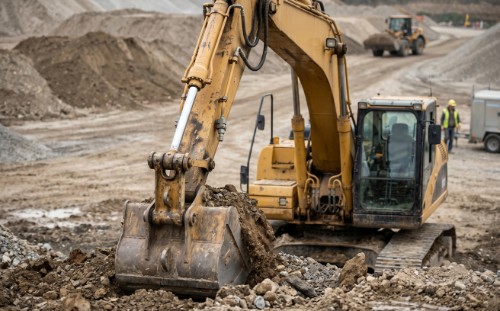
Construction & Earthmoving
Heavy-duty hoses and cylinders built to withstand extreme conditions and vibration.
Learn more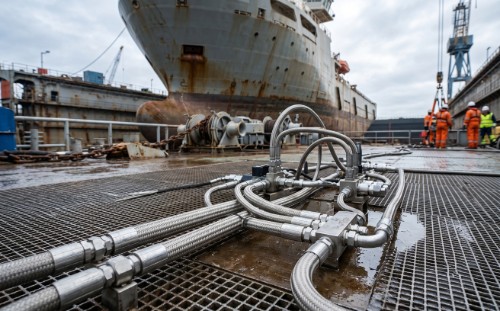
Marine & Offshore
Corrosion-resistant stainless steel fittings and certified assemblies for marine environments.
Learn more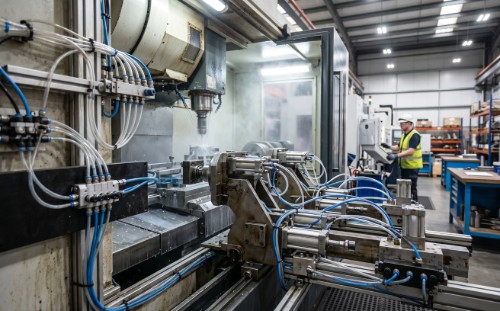
Manufacturing
Pneumatic automation and hydraulic power units to keep production lines moving.
Learn more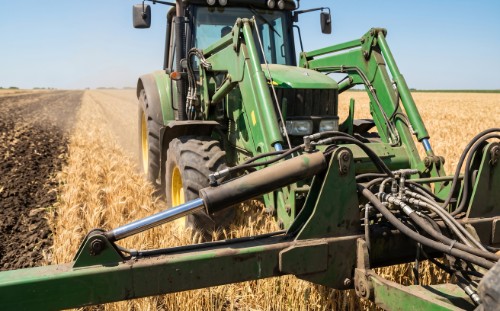
Agriculture
Durable fluid power systems designed to keep agricultural machinery operating at peak efficiency.
Learn more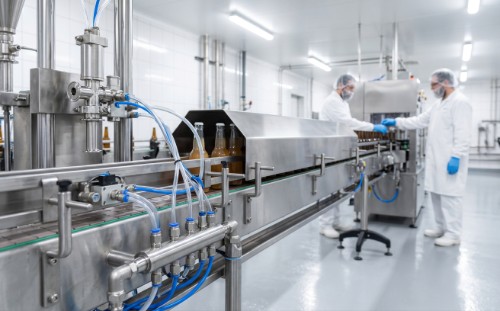
Food & Beverage
Expert fluid power solutions and components for food and beverage facilities.
Learn more
Aircraft Ground Support
Precision hydraulic hose assemblies and fittings engineered for ground support vehicles and aircraft servicing equipment.
Learn more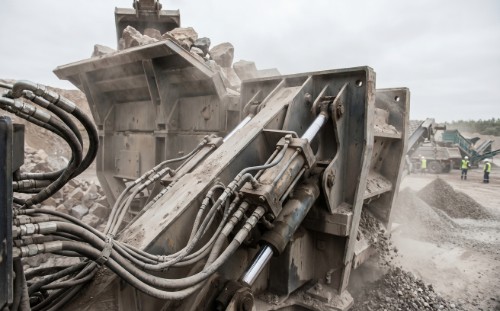
Aggregates & Cement
Heavy-duty hydraulic systems and hose assemblies built for the continuous demands of crushing, screening, and mixing operations.
Learn more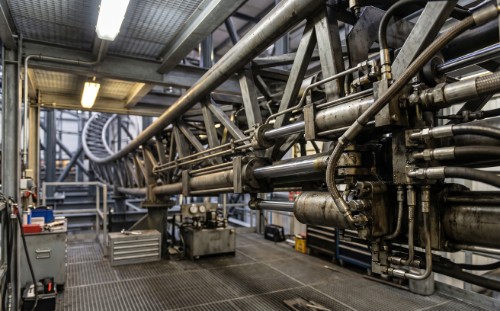
Entertainment & Theme Parks
Reliable hydraulic and pneumatic systems powering rides, stage equipment, and attractions safely and consistently.
Learn more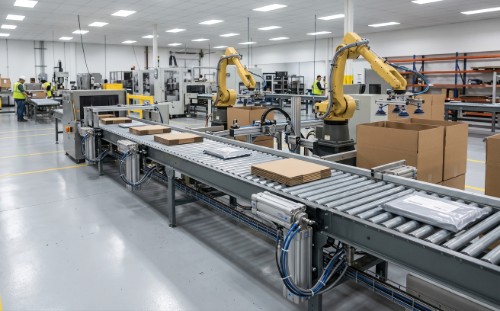
Industrial & Packaging
Pneumatic cylinders and fluid power components engineered for high-cycle industrial automation and packaging lines.
Learn more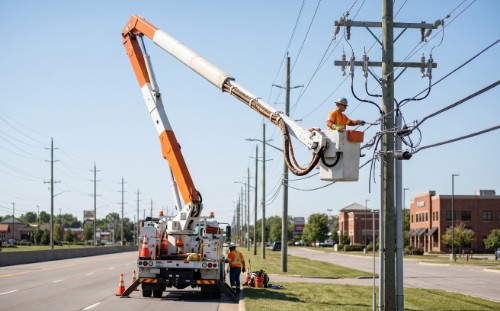
Government & Municipal
Certified hydraulic components and hose assemblies supporting the reliability demands of government fleets and municipal infrastructure.
Learn more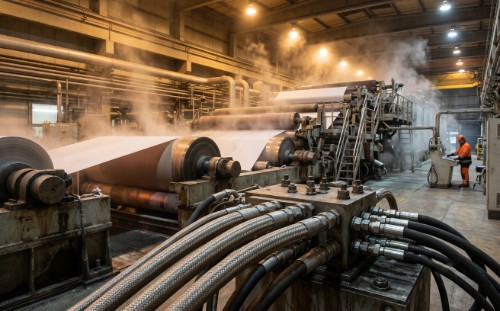
Paper & Pulp Mills
High-pressure hydraulic hoses and fittings built to withstand the high-moisture, corrosive conditions of paper and pulp production.
Learn more
Healthcare & Life Sciences
Precision hydraulic and pneumatic components meeting the cleanliness and reliability standards of medical and life science manufacturing.
Learn more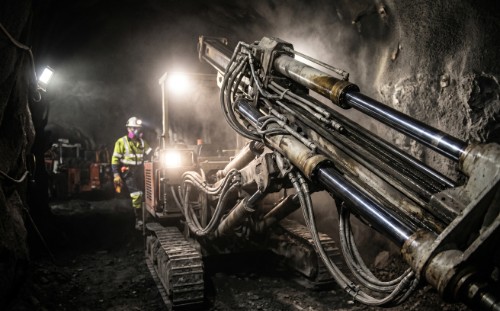
Mining & Extraction
Rugged hydraulic hoses, cylinders, and fittings built to perform in the demanding conditions of surface and underground mining.
Learn more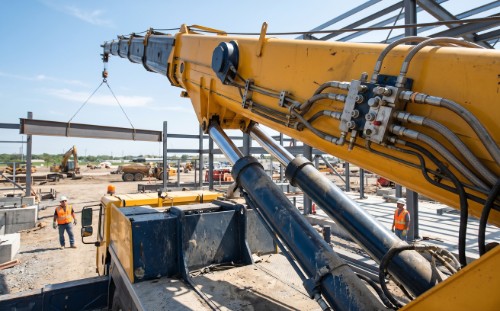
Mobile Machinery & Equipment
Complete hydraulic solutions keeping mobile equipment and specialty vehicles operating reliably across demanding field conditions.
Learn more
Oil & Gas
High-pressure hydraulic hoses, fittings, and assemblies rated for upstream, midstream, and downstream oil and gas operations.
Learn more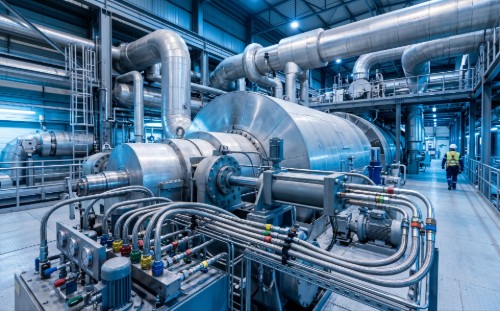
Power Generation
Hydraulic and pneumatic components built to the precision and reliability standards required by power generation facilities.
Learn more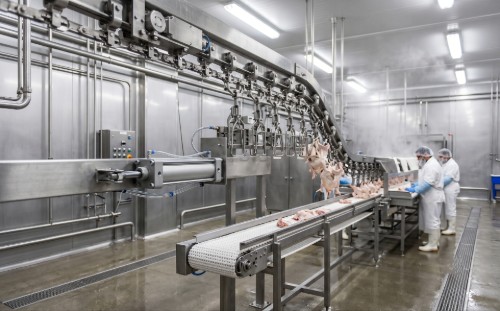
Poultry Processing
Sanitary-grade hydraulic and pneumatic components designed for the high-volume, wash-down conditions of poultry processing.
Learn more
Pharmaceutical
Clean-room-compatible fluid power components meeting the strict regulatory and contamination-control requirements of pharmaceutical manufacturing.
Learn more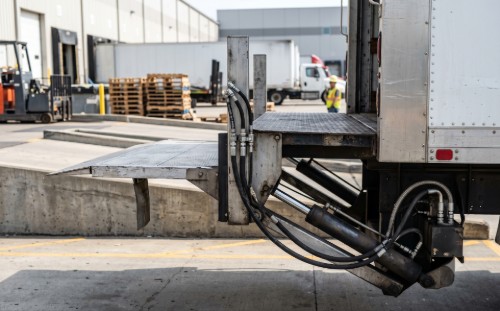
Transportation & Logistics
Durable hydraulic hoses, cylinders, and fittings built to keep commercial vehicles and transport fleets operating at full capacity.
Learn more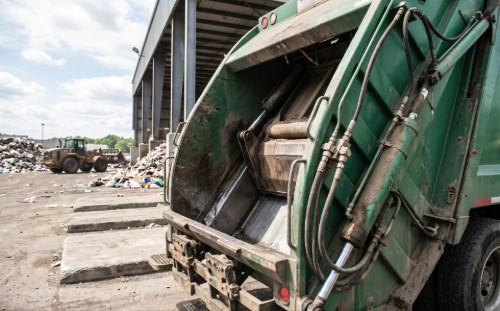
Waste & Disposal
Heavy-duty hydraulic cylinders and hose assemblies built for the relentless demands of waste collection and compaction equipment.
Learn more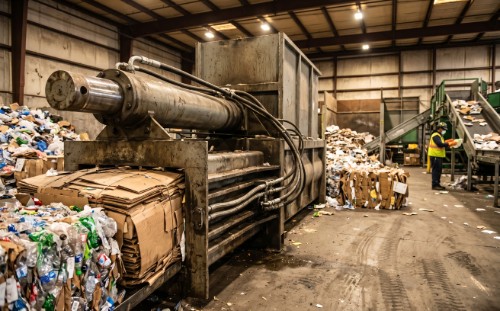
Recycling & Recovery
Robust hydraulic components and hose assemblies powering balers, shredders, and material handling equipment in recycling operations.
Learn moreIndustrial Applications of Pneumatic Valves & Accessories
Pneumatic valves direct airflow through every stage of a compressed air system — from the control signal at a palm button to the actuated shift of a directional valve and the metered extension of a cylinder. In industrial automation, solenoid-operated valves sequence robotic assembly motions. In packaging and material handling, pilot-operated valves handle high-cycle switching. HSC stocks solenoid, pilot-operated, and manual pneumatic valves across port counts, body sizes, and actuation types for any control scheme.
Pneumatic Valve Components Matter
A pneumatic valve that fails to shift reliably stops the actuator it controls — in a production environment, one stuck valve can halt an entire automated line. Valves meeting NFPA and ISO standards shift consistently, seal against rated pressure, and maintain Cv ratings that match system flow design. HSC stocks pneumatic valves from ARO, Parker, and SMC with specialists available to match valve type, actuation, port count, and body size to your control scheme.
Frequently Asked Questions
What is the difference between a normally open and normally closed solenoid valve?
A normally closed (NC) solenoid valve blocks flow when the solenoid is de-energized and opens when energized — the standard configuration for most pneumatic control applications where flow should stop if power is lost. A normally open (NO) valve allows flow in the de-energized state and blocks it when energized — used where the fail-safe condition requires continued airflow, such as spring-return cylinders that must retract on power loss.
How do I cross-reference a replacement pneumatic valve for existing equipment?
The fastest path is the valve’s nameplate data: manufacturer, series, model number, port size, and voltage if solenoid-operated. With that information, HSC’s specialists can identify a direct replacement or a compatible substitute from our in-stock inventory. If the nameplate is missing, port size, body dimensions, and circuit function (2-way, 3-way, 4-way) narrow the selection quickly.
What causes a solenoid valve to fail to shift?
Common causes include: low supply voltage to the solenoid coil (under-voltage prevents full spool travel), contaminated air causing spool sticking, worn spool seals allowing internal bypass rather than positive shifting, and a burned-out solenoid coil from voltage spikes or excessive ambient temperature. If the valve clicks when energized but the cylinder doesn’t move, internal bypass from worn seals is the likely cause. If there’s no click, check coil resistance and supply voltage first.
Do I need speed controls on pneumatic cylinders?
Speed controls are recommended for most double-acting cylinder applications. Uncontrolled pneumatic cylinders accelerate rapidly to end of stroke and impact hard — creating noise, shock loads on mounting hardware, and accelerated wear on the cylinder’s cushions and end caps. Meter-out speed controls (restricting exhaust flow) provide the most stable, controllable deceleration for most applications. Meter-in controls (restricting supply flow) are used in specific applications involving vertical loads or load-reversal conditions.
Does HSC stock pneumatic valves and accessories for same-day pickup or shipping?
HSC maintains a broad in-stock pneumatic valve inventory covering directional control, flow control, ball valves, speed controls, mufflers, and drain accessories across ARO, Parker, and other brands. Same-day shipping is available on orders placed before 2pm EST, and with 40+ branch locations across the Southeast, there is likely an HSC store near you with the valve you need already on the shelf.