
-
All Products
- Hydraulic Power Systems & Components
- Shop all
- Hydraulic Pumps & Accessories
- Hydraulic Motors & Accessories
- Hydrostatic Transmissions
- Cylinders & Accessories
- Steering Units & Accessories
- Hydraulic Valves & Accessories
- Shop all
- Ball Valves
- Check Valves
- Check Valves (Pilot-Operated)
- Counterbalance Valves (Overcenter Valves)
- Cushion Valves (Double Relief Valves)
- Directional Control Valves
- Flow Control Valves
- Flow Divider Valves
- Gate Valves
- Logic Element Valves
- Needle Valves
- Plug Valves
- Pressure Reducing Valves
- Relief Valves
- Sandwich Valves
- Premium Selector Valves
- Slip-In Cartridge Valves
- Premium Stack Valves
- System Accessory Valves
- Premium Truck Valves
- Valve Accessories
- Electronic Control Components
- Pressure Sequence Valves
- Screw-In Cartridge Valves
- Motion Control Valves
- Shop Logic Element Valves
- Unloading Valves
- Drain Valves
- Hydraulic Filters & Accessories
- Power Units
- System Accessories
- High Force Hydraulics
- Pneumatic Power & Control
- Shop all
- Pneumatic Cylinders
- Pneumatic Valves & Accessories
- Pneumatic Air Line Filter, Regulator, & Lubicator (FRL's)
- Pneumatic Air Line Filters
- Premium Air Tool Hose Assemblies
- Air Line Lubricating Oil
- Safety Pop-Off Valves
- Pneumatic Air Line Filter & Regulator
- Pneumatic Air Line Filter Accessories
- Pneumatic Air Line Lubricators
- Pneumatic Air Tools
- Pneumatic Air Line Filter, Regulator, & Lubricator (FRL's)
- Pneumatic Air Line Regulators
- Pneumatic Cylinder Accessories
- Fluid Conveying
- Shop all
- Hose Products
- Tubing Products
- Piping Products
- Adapters
- Shop all
- Steel
- Shop all
- O-Ring Face Seal Braze Adapters
- O-Ring Face Seal To Straight Thread O-Ring
- O-Ring Face Seal To Pipe
- O-Ring Face Seal To 37° Flare
- O-Ring Face Seal To O-Ring Face Seal
- O-Ring Face Seal Accessories
- Pipe To Pipe
- Pipe to 37° Flare
- Pipe To Straight Thread O-Ring
- Pipe To Hose
- 37° Flare Union
- Straight Thread O-Ring to 37° Flare
- Straight Thread O-Ring to Straight Thread O-Ring
- Straight Thread O-Ring to Hose
- SAE Split Flange To 37° Flare
- SAE Split Flange To O-Ring Face Seal
- Braze & Weld to 37° Flare
- 42° Inverted Flare to 37° Flare
- Restrictor
- Metric to 37° Flare
- Metric to Pipe
- Metric
- BSPP to 37° Flare
- BSPP to Pipe
- BSPP to Metric
- BSPP to BSPT
- BSPP
- BSPT To Pipe
- BSPT To 37° Flare
- JIS
- JIS 30° Seat (BSPP Thread) To 37° Flare
- Komatsu, Kobelco
- BSPP to 37 deg Flare
- BSPT To JIS
- 37 deg Flare Union
- Pipe to 37 deg Flare
- Straight Thread O-Ring to 37 deg Flare
- O-Ring Face Seal To BSPP
- SAE Split Flange To 37 deg Flare
- Straight Thread O-Ring to Metric
- Metric to 37 deg Flare
- Straight Thread O-Ring to Pipe
- 37 deg Flare Plug
- BSPT To 37 deg Flare
- JIS 30 deg Seat (BSPP Thread) To 37 deg Flare
- O-Ring Face Seal To JIS
- Straight Thread O-Ring to BSPP
- O-Ring Face Seal To Metric
- SAE Split Flange To Pipe
- Auxiliary Components
- O-Ring Face Seal To 37 deg Flare
- Straight Thread O-Ring to JIS
- Braze & Weld to 37 deg Flare
- Metric to BSPT
- Pipe To STC (Snap to Connect)
- BSPP To Hose
- Flareless Fittings
- Braze & Weld to Pipe
- SAE Split Flange To SAE Split Flange
- SAE Split Flange To Straight Thread O-Ring
- 42 deg Inverted Flare Union & Accessories
- Push-to-Connect To STC (Snap to Connect)
- O-Ring Face Seal To STC (Snap to Connect)
- BSPT
- Pipe To 30 deg Flare
- SAE Split Flange Braze Adapters
- BSPT To Hose
- 42 deg Inverted Flare to 37 deg Flare
- Push-On to 37 deg Flare
- O-Ring Face Seal To Hose
- Stainless Steel
- Shop all
- Pipe To Pipe
- Pipe To 37° Flare
- 37° Flare Union
- Straight Thread O-Ring To 37° Flare
- Metric To 37° Flare
- BSPP To 37° Flare
- Auxiliary Components
- Metric
- BSPP
- 37 deg Flare Union
- BSPP To Pipe
- Straight Thread O-Ring To Pipe
- Pipe To 37 deg Flare
- BSPP To 37 deg Flare
- Metric To Pipe
- Metric To 37 deg Flare
- BSPP To Metric
- O-Ring Face Seal To Pipe
- Straight Thread O-Ring To 37 deg Flare
- BSPT To 37 deg Flare
- O-Ring Face Seal To Straight Thread O-Ring
- Straight Thread O-Ring To Straight Thread O-Ring
- SAE Split Flange To 37 deg Flare
- Pipe To Hose
- 37 deg Flare To Hose
- O-Ring Face Seal To O-Ring Face Seal
- 37 deg Flare Plug
- Straight Thread O-Ring To BSPP
- Braze & Weld to Pipe
- Metric to BSPT
- BSPT To Pipe
- BSPT
- Brass
- Shop all
- Pipe To Pipe
- Pipe To 37° Flare
- Pipe To 45° Flare
- 45° Flare Union
- 42° Inverted Flare To 45° Flare
- 42° Inverted Flare To Pipe
- 42° Inverted Flare Unions & Accessories
- Garden Hose Adapters
- Pipe To 45 deg Flare
- Braze & Weld to Pipe
- 42 deg Inverted Flare To Pipe
- 45 deg Flare Union
- BSPP
- 45 deg Inverted Flare Union
- Pipe To 37 deg Flare
- 37 deg Flare Union
- Pipe To Hose
- BSPP To Pipe
- 37 deg Flare To Hose
- BSPT To Hose
- 42 deg Inverted Flare To 37 deg Flare
- 45 deg Flare To Hose
- 45 deg Inverted Flare To Pipe
- BSPT
- 45 deg Inverted Flare To Hose
- BSPP to BSPT
- 37 deg Flare Plug
- 45 deg Inverted Flare To Tube
- O-Ring Face Seal Braze Adapters
- BSPP To Hose
- BSPT To Pipe
- Metric to Flare
- BSPT To 45 deg Flare
- Metric
- Metric To Pipe
- Stainless Steel Steel
- Hydraulic Quick Disconnects
- Miscellaneous Fluid Conveying Parts
- Shop all
- Flanges
- Metric & BSP Seals & Washers
- Protective Closures
- Split Flange Kits & O-Rings
- Support Clamps
- Swivel Joints
- Air Brake Products
- Hose, Tube & Pipe Cleaning System
- Flange Accessories
- Hose, Tube & Pipe Cleaning System Accessories
- Brake Hose Accessories
- Hose Accessories
- Support Clamp Accessories
- Fitting Assortments
- Performance Parts
- Shop all
- Hose
- Adapters
- Brake System Adapters
- Fuel System Components
- Couplings
- PRO CLAMP and Overbraid
- Accessories
- Reusable Fittings for AQP & Starlite Racing Hose
- Crimp Fittings for AQP & Starlite Racing Hose
- Fittings for AQP Socketless Hose
- Reusable Fittings for Aeroquip FBF A/C Hose
- Fittings for Teflon Racing Hose
- Reusable Fittings for AQP High Pressure Hose
- Assembly Equipment
- Hydraulic Brake Components
- Other Products
- Shop all
- Hydraulic Fluids & Oils for Industrial Systems
- Seals
- Industrial Chemical Maintenance Products
- Lubrication Equipment & Accessories
- Fasteners
- Valves
- Couplings
- Bearings
- Control Cables
- Thread Sealants
- Gloves
- Hand Tools
- Pressure Washer Products for Industrial & Commercial Use
- Hose Reels
- Winches
- Cable Hardware & Knobs
- Cable Remote Controls
- Industrial Corrosion Inhibitors
- Y Strainer
- Hose Nozzles
- Textbooks
- Cable (Wire) Ties
- Piston Vibrators
- Software Licenses
- Human Machine Interface & Accessories
- Safety Glasses
- Hydraulic Punches & Dies
- Thread Sealant Tapes
- Identification Tools
- Gasket Makers
- Threadlockers
- Tool Storage
- Temperature Controllers & Accessories
- Brazing Rods
- Gear Drives & Accessories
- Gauges
- Drill Bits
- Paint Markers
- Switches & Accessories
- Power Tools
- Cut-Off Wheels
- Work Lights
- Cleaning Cloths & Towels
- Hose Reel Accessories
- Labels
- Flashlights
- Shirts
- Pipe Wrapping Tapes
- Batteries
- Winch Parts & Accessories
- Pen Lights
- Hydraulic Power Systems & Components
-
Services
- 24/7 On-Site Mobile Services
- Control Cable Assemblies
- Crimper Maintenance Program
- Custom Hydraulic Components Fabrication
- Cut & Weld
- Danfoss x20 Stock Change Program
- Engineering Center Services
- Hose Kitting Services
- HPU Build Program
- Hydraulic & Industrial Hose Assemblies
- Hydraulic Repair & Service
- Tube Bending Services
- Vane Pump Build Program
- View All Services
- Branch Locations
- Catalogs
- Help
- Quick Order
SAME DAY SHIPPING
— Order by 2pm EST.
Hydraulic Cylinder Brands and What to Know Before Replacing One
Published March 30, 2026 | Last Updated May 28, 2026
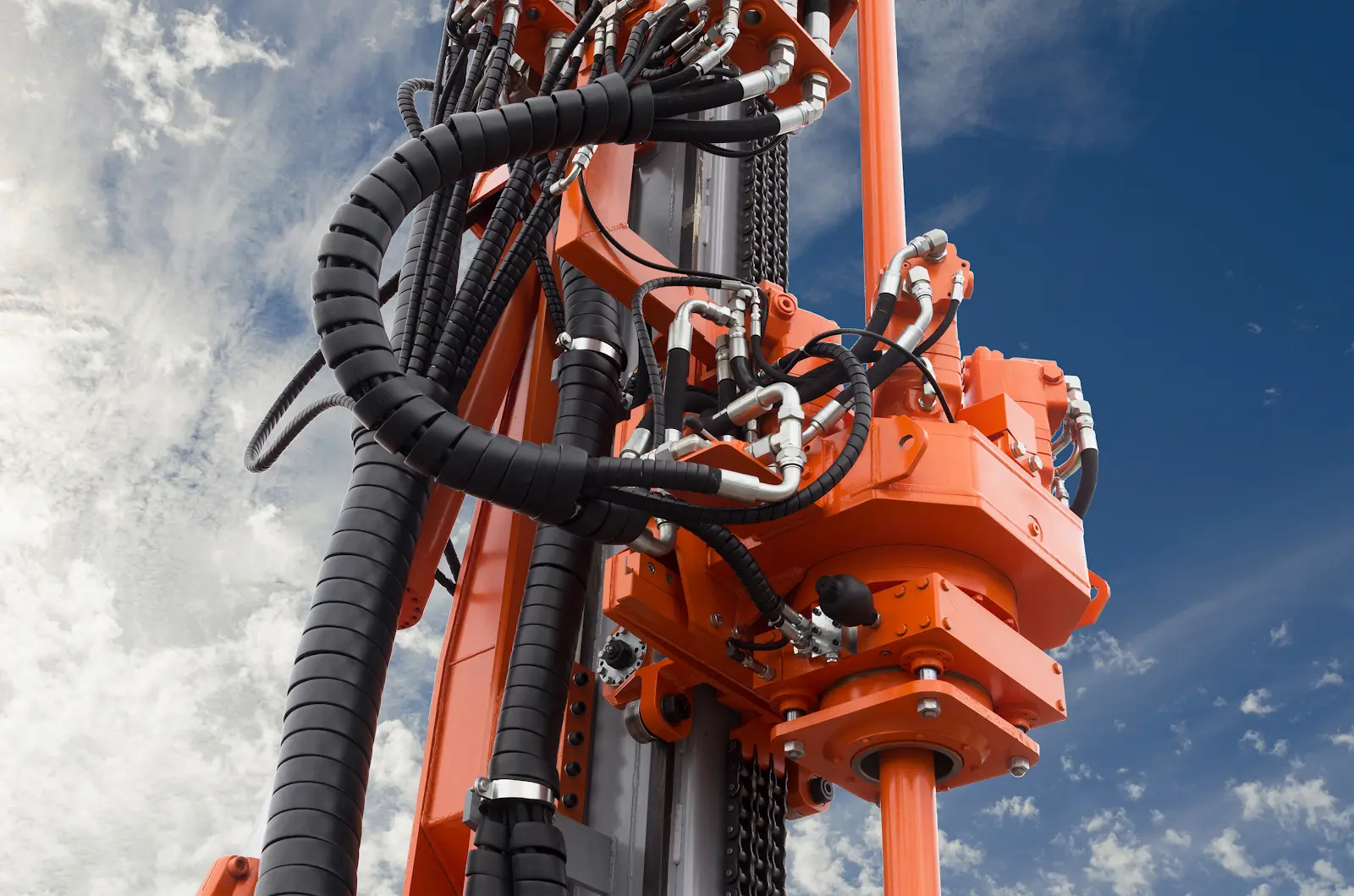
Replacing a hydraulic cylinder is usually straightforward once you know exactly what you're working with. A cylinder that has started leaking or lost pressure mid-cycle can bring an entire operation to a halt, and how quickly that gets resolved often depends on whether the right information is available from the start.
Each manufacturer determines how a particular cylinder mounts to equipment and what replacement options exist. When technicians can identify the brand and confirm what specifications matter, they are in a much better position to find a compatible replacement without unnecessary delays.
This article walks through how to recognize hydraulic cylinder manufacturers, how to track down a brand when markings are unclear, and what to confirm before installing a replacement.
Why Hydraulic Cylinder Brands Matter for Replacement
Hydraulic cylinders may appear interchangeable at first glance, but the brand behind them dictates how they were engineered and where they were meant to operate. Different hydraulic cylinder manufacturers follow their own design standards, and those choices ripple through everything from the dimensions of internal components to the materials used for seals and rods to how the cylinder mounts to equipment. Even minor differences in these areas can affect how easily a replacement will fit into an existing machine.
| What Brand Affects | Why It Matters |
| Internal dimensions and tolerances | Determines whether a replacement physically fits the application |
| Seal and rod materials | Influences performance in specific operating environments |
| Mounting configuration | Affects alignment, load distribution, and installation fit |
| Access to part numbers and rebuild kits | Speeds up the sourcing process and reduces research time |
| Consistency across units | Supports more predictable service life and maintenance planning |
For those responsible for maintenance, knowing the brand can cut several steps out of the repair process. A manufacturer name often leads directly to part numbers, rebuild kits, or specification sheets. Without it, technicians are left measuring the cylinder by hand and researching compatible options independently.
Equipment used across construction, agriculture, manufacturing, and transportation environments relies on cylinders that can withstand heavy loads and repeated motion, and working from a known brand makes it far easier to confirm that a replacement will deliver the same level of performance.
Choosing a reputable hydraulic cylinder brand also matters for long-term reliability. Established manufacturers hold their products to consistent quality standards, which means less variability across units and more predictable service life. Sourcing from recognized brands reduces the risk of unexpected failures and the unplanned downtime that comes with them.
Hydraulic Cylinder Manufacturers to Know
A number of hydraulic cylinder manufacturers have earned strong reputations for producing dependable parts. These brands are trusted in the field because they deliver cylinders that hold up under demanding conditions and are widely supported when it comes time for maintenance or replacement. Understanding what each manufacturer is known for helps technicians and procurement teams make more informed decisions.
Bailey Sales Corp
Bailey is well known for welded and tie-rod cylinders commonly used in mobile equipment and agricultural machinery. Their cylinders are a go-to choice for replacement applications where durability and consistent performance are priorities. Bailey's broad product range makes sourcing replacements relatively straightforward, and the brand's established presence in mobile hydraulics means technicians are likely to encounter their cylinders across a range of equipment types.
Cross Manufacturing
Cross Manufacturing has been producing hydraulic components for decades and is well known in the agricultural and mobile equipment markets. Their cylinders are frequently found in systems that require dependable motion control and lifting capability. Cross has built its reputation on straightforward, reliable hydraulic products that fit common equipment configurations, making them a practical option when sourcing replacements for agricultural and mobile applications.
Hydrolico International
Hydrolico offers a broad selection of hydraulic cylinders used across construction, transportation, and agricultural equipment. Their products are a popular replacement option in mobile hydraulic systems where durability and availability are key considerations. Hydrolico's wide catalog coverage makes them particularly useful when working across mixed fleets or equipment from multiple original equipment manufacturers (OEMs).
Midway Manufacturing Co
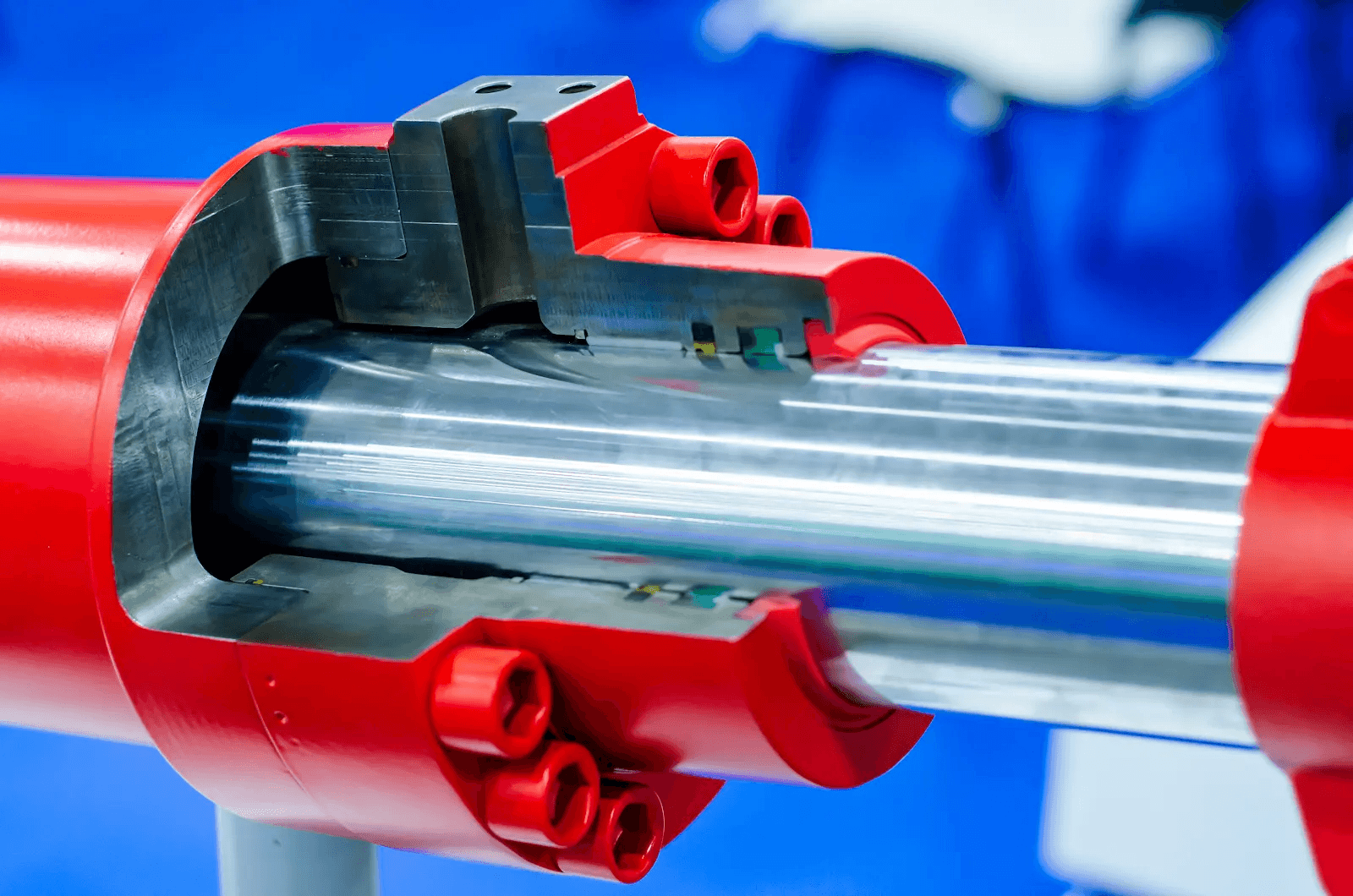
Midway produces cylinders suited for heavy-duty hydraulic systems, including dump bodies, agricultural implements, and industrial machinery. These cylinders handle the high loads and repeated movement common in demanding hydraulic systems. Midway's focus on high-cycle applications makes them a reliable option for equipment that runs frequently and requires parts that can keep pace with the workload.
Monarch Industries Inc
Monarch has a long history in the hydraulic industry and is recognized for products used in lifting systems, dump trailers, and material handling equipment. Their cylinders handle demanding workloads while delivering consistent performance over time. Monarch's history in the industry also means that rebuild kits and replacement components are widely available, which matters in operations where rapid turnaround is important.
How to Identify the Brand of a Hydraulic Cylinder
Several approaches can help pinpoint the manufacturer, even when a cylinder has been in service for years, and original markings are no longer visible.
Start With the Identification Tag
Most cylinders leave the factory with a metal tag or nameplate attached to the barrel. This plate typically includes the manufacturer's name, a model number, and sometimes a serial number or pressure rating. The model number will be the most useful piece of information available. With that number in hand, a supplier can usually locate the original specifications or identify a compatible replacement cylinder.
Look for Stamped Numbers or Markings
Even when the tag is missing, some hydraulic cylinder brands stamp identification numbers directly into the metal. These markings are often found on the cylinder barrel, end cap, or mounting points. They may not always include the manufacturer's full name, but they can still provide clues that help narrow down the original brand and point a knowledgeable supplier toward a compatible match.
Pay Attention to Design Details
Technicians who regularly work with hydraulics often learn to recognize certain design characteristics. The shape of the cylinder head, the placement of hydraulic ports, or the style of the mounting hardware can sometimes point toward specific hydraulic cylinder brands. These visual cues are not always definitive, but they can help experienced technicians and suppliers narrow the possibilities considerably, especially when combined with other available information.
Measure the Cylinder
When no identifying information remains, measurements become the most reliable approach. Recording the bore diameter, rod diameter, stroke length, and mounting dimensions gives a supplier enough information to compare the cylinder against available options from multiple hydraulic cylinder manufacturers. In many cases, a close enough specification match from a different brand can serve as a reliable replacement, even without knowing the original manufacturer.
Helping Customers Find the Right Hydraulic Cylinder
Replacing a hydraulic cylinder can involve more than swapping out a part. Equipment may have been in service for years, identification tags can wear away, and original models are sometimes discontinued. When these situations come up, working with a knowledgeable supplier can save significant time and prevent costly mistakes.
Hydraulic Supply Company can help verify specifications and find reliable replacement options from trusted hydraulic cylinder manufacturers. When a direct replacement is not available, HSC's team can also assist with cross-referencing cylinders that match your original specifications.
To explore available options or get help identifying the right replacement, visit the Hydraulic Cylinders category page or contact our experts today.
Frequently Asked Questions
Are hydraulic cylinders universal between brands?
Hydraulic cylinders are not always interchangeable between brands. Even when two cylinders appear similar, differences in mounting style, bore size, rod diameter, stroke length, and pressure rating can all affect compatibility. When replacing cylinders from different hydraulic cylinder brands, always verify specifications carefully to confirm the fit and performance will meet your requirements.
How long do hydraulic cylinders typically last?
The lifespan of a hydraulic cylinder depends on operating conditions, load requirements, maintenance practices, and environmental exposure. Cylinders used in demanding environments such as construction or agriculture may experience more wear than those used in controlled industrial settings. Regular inspections and proper fluid maintenance can help extend service life considerably.
What causes hydraulic cylinders to fail?
Common causes of cylinder failure include contaminated hydraulic fluid, worn seals, excessive pressure, side loading, and corrosion. Over time, these conditions can lead to leaks, reduced lifting power, or internal damage. Identifying the root cause before installing a replacement helps prevent the same issue from recurring after the repair.
Are aftermarket hydraulic cylinders reliable?
Many aftermarket cylinders from established hydraulic cylinder manufacturers provide reliable performance when the specifications match the original equipment. Choosing cylinders from reputable brands and working with experienced suppliers helps ensure quality and compatibility. The key is confirming that the specifications align with the original unit rather than relying on visual similarity alone.
How do I choose the right hydraulic cylinder supplier?
A good hydraulic supplier provides technical support and cross-referencing assistance in addition to access to trusted hydraulic cylinder brands. Suppliers that carry a wide range of cylinders and have a knowledgeable team help ensure the correct component is selected the first time, reducing the chance of delays or rework once the replacement arrives.

Share on Facebook

Share on X

Share on Pinterest
Quick Add Product
Account Summary
Short Code:
Credit Limit:
Current Balance:
Recent Posts

Tell us what you need and we'll get back to you.
Fields marked * are required.
Thanks — your inquiry's on its way